Energy and Pipeline-Adjacent Construction in Bethany
Shops, yards and support buildings for refinery, pipeline and energy suppliers in Bethany, built to operator safety and records standards.
Owners who supply refineries, pipeline operators and energy producers need a contractor that already knows how an operator's site rules work: safety orientation, permit to work, hot work controls and restricted access. We bring that discipline to buildings, pads and utility work around Bethany, where suppliers, service shops and equipment yards sit close to the western side of the Oklahoma City market.
Bethany sits roughly ten miles from the center of Oklahoma City, on the west side, and spreads over 5.23 square miles, with ground at 1,309 feet above sea level. Lake Overholser and the Stinchcomb Wildlife Refuge form its western edge, which tells a builder to expect drainage questions, setbacks and environmental review on parcels near the water. The main road through downtown is the 39th Street Expressway, which follows Historic Route 66, so trucks that serve the city's businesses share it with local traffic.
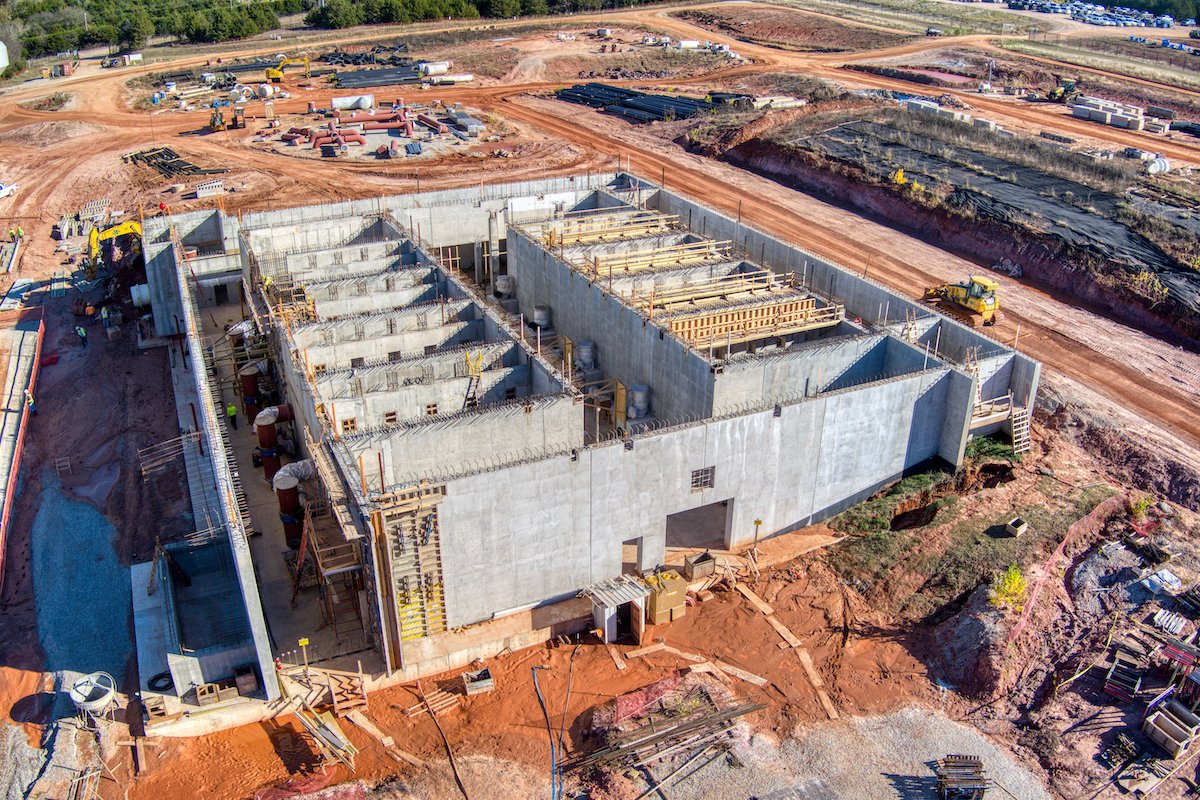
Work for an energy-sector customer is rarely just a building. A fabrication shop might need a heavy-duty slab, a pipe rack, a laydown yard and a containment curb that satisfies the customer's own standards. We estimate the whole package, sequence it so that the customer can audit each step, and keep the records they will ask for at turnover.
Buildings that support energy and pipeline work
Energy service companies tend to ask for a handful of building types: a manufacturing plant or fabrication shop with overhead cranes, a warehouse for pipe, valves and fittings, and an office wing for engineers and dispatch. We design these with the heavy equipment in mind, so slabs, column spacing and door heights match the loads and trucks that will use them.
Where equipment needs to be stored outdoors, we add yard paving, containment and lighting so that crews can load out at night without wandering through a mud lot. These details are inexpensive to include at the start and expensive to retrofit.
Where we work from Bethany
Bethany is close enough to downtown that we can coordinate with owners in Oklahoma City within the same day, and the interstate system carries us to Yukon and Mustang without a long drive. Crews, testing agencies and inspectors move among those sites as work requires.
For energy customers with facilities in several parts of the state, we can repeat a standard design and a standard quality record across projects, which shortens review for the operator.
Permits and the operator's own standards
Two sets of rules apply: the city's permit process and the customer's internal specification. A permit tells us a building is safe to occupy. The customer's specification tells us how welds are tested, how concrete is cured and how documents are submitted. We read both before pricing and flag conflicts early.
Because Bethany sits next to a lake and a wildlife refuge, stormwater control is a recurring review item, and our stormwater detention and drainage work is planned alongside the building so that the two approvals proceed together.
The industries behind the work
Energy-adjacent owners usually sit in utilities and power or metals and heavy industry, though the same builder also serves distribution and light manufacturing. The shared trait is a customer that audits its contractors and expects traceable materials, tested welds and clean records.
We organize our files so that an auditor can find a weld record or a concrete cylinder result without calling us. Material test reports, inspection sign-offs and permit approvals go into one index that follows the project from the first submittal to turnover.
Services that complete a project
A pipeline supplier or refinery vendor often needs equipment pads and foundations for compressors and skids, fire water loops and hydrants for the yard and stabilized laydown yards for pipe and equipment.
We bundle these where they make sense and price them as separate line items so the owner can phase the spend. Compressor and skid pads in particular need anchor bolt layouts, grout and cure times that match the vendor drawings, and we check the vendor's tolerances before forms are set.
Safety on an operator-controlled site
Before any trade partner works on a customer site, we confirm orientation, personal protective equipment, permit to work and incident reporting. We bring the same habits to our own projects: a daily briefing, a hot work permit before any cutting and a clear list of who is allowed in each area.
Wherever product, fuel or chemicals are stored, we check containment and ventilation requirements before drawings are final.
Large projects share the same trades
Institutions carry much of the local payroll: two universities, a children's center, the Bethany and Putnam City school districts, the city government and a medical clinic are among the larger employers. Bethany Children's Health Center is also putting up a $178 million addition, four stories and 200,000 square feet, of which donors have given about $34 million and the rest is financed (as of February 26, 2025), and the hospital hopes to open it in 2027.
A project of that size draws on the same electricians, steel crews and concrete finishers that an industrial owner needs. We take that into account when we set a start date, and we reserve trade partners early for owners who commit to a schedule.
How we run an energy-sector job
We schedule, coordinate and inspect the work, from the first meeting to the final walkdown. A single project manager owns the budget, the schedule and the customer's requirements, and we meet weekly with the owner to review what has been completed and what is coming.
When the customer adds scope, we price it before the work starts and describe what it does to the schedule. Owners who know the effect of a change before approving it are much more likely to finish on budget.
Bring the operator's specification
If you supply or serve an energy operator from Bethany, send us the customer's requirements and your site. We will review them with you and return a plan that meets both the permit and the specification.
Common Questions
What does an energy customer expect from a contractor?
Documented safety orientation, permit to work, tested materials and a clean record at turnover. We read the customer's specification before pricing, assign one person to track compliance and keep records in a form their auditors can use.
Can you build a fabrication shop with crane capacity?
Yes. We coordinate the structural design so that the building frame, runway beams and slab are sized for the crane and the loads it will lift. Crane capacity is set early because it affects column spacing, footings and cost.
How does proximity to Lake Overholser affect a site?
Parcels near water often have drainage, setback and environmental review items. We check these during due diligence and design detention and erosion control into the first plan, which helps avoid a stalled permit.
Can the work be phased to match a customer contract?
Yes. If a contract is awarded in stages, we can build the shell first and add equipment pads, yards and tenant space as funding arrives. We keep the first phase from blocking later ones by planning utilities and access for the full site.
How do large local projects affect trade availability?
They can tighten the market for steel, electrical and concrete trades. We reserve partners early, confirm dates during preconstruction and share the schedule with the owner so that any pressure is visible months before it affects the work.