Long-Lead Procurement Management for Oklahoma Plants
Long-lead equipment procurement for Oklahoma industrial projects: switchgear, transformers, process equipment and steel ordered early and tracked to the pad.
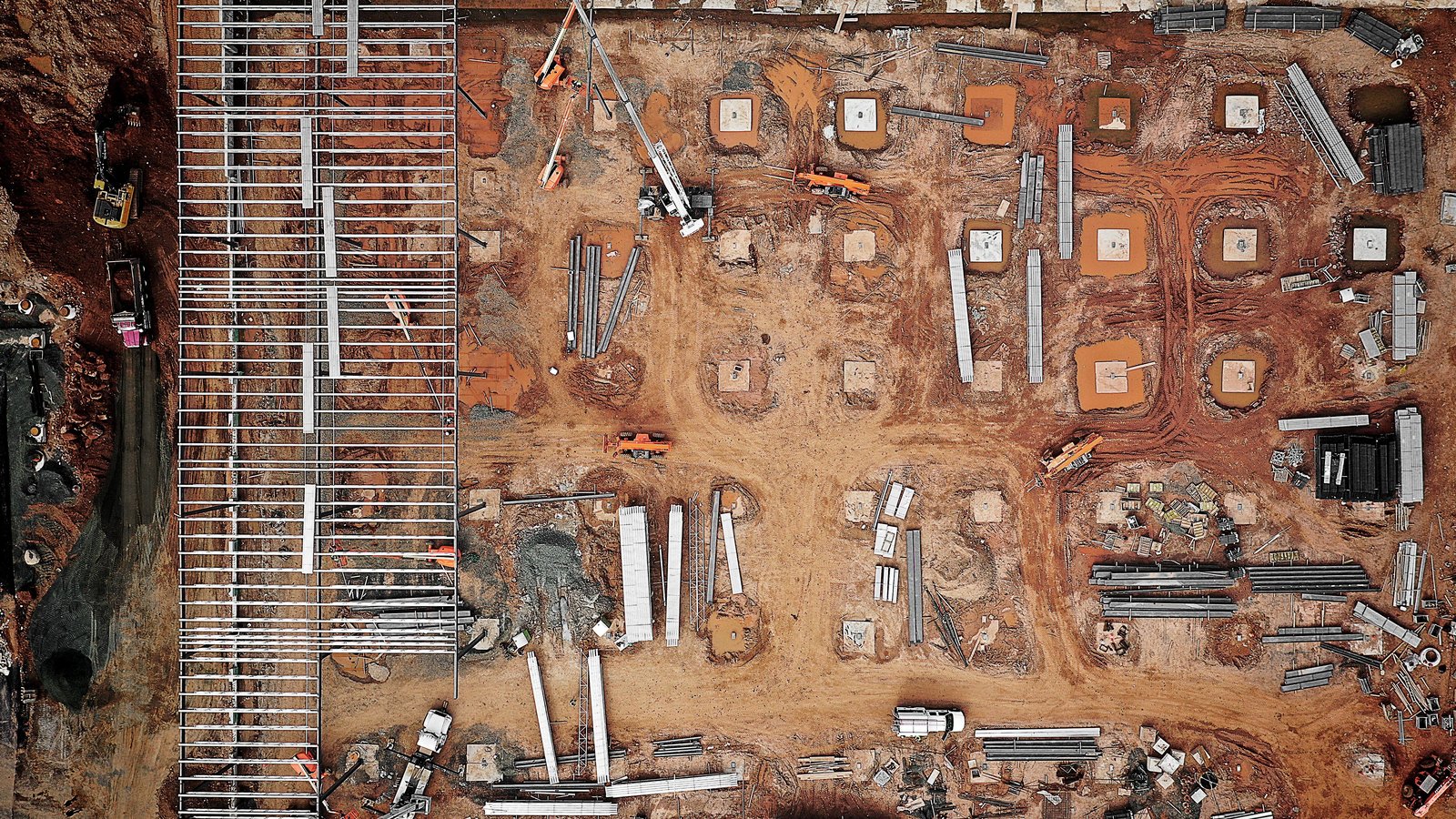
A slab pours in a day, and the switchgear that powers the building can take many months to arrive. On industrial projects the finish date is almost never set by the concrete. It is set by the item that was ordered last, and the item ordered last is usually the one nobody thought to check at the start. Our procurement service finds those items in the first weeks, orders them while the design is still being finished and follows each one from purchase order to the pad.
The list varies by plant, but it nearly always includes electrical gear such as switchgear, transformers and motor control centers, large rooftop and process air handlers, structural steel and joists, overhead and high-speed doors, dock equipment, fire pumps and any piece of process equipment with a custom build. Owner-furnished equipment sits on the same list, because it has to land in a finished building at a specific moment. The register starts during preconstruction, when an early order can still change the schedule.
Oklahoma owners often buy equipment from suppliers far from the site, which stretches the chain further. A late shipment from one state to another does not care that your crew is ready, so we keep an up-to-date delivery picture and a plan for what to do when a date slips.
What we actually manage
We build a procurement register early, listing each item, its specification, the submittal and approval path, the quoted lead time, the date it must be on site and the date it must be ordered to make that. The register becomes part of the schedule, so the owner can see that a missed approval in March moves the finish date in October.
After that, we run submittals, chase approvals, review shop drawings against the field and confirm delivery logistics. We also take care of the unglamorous parts: receiving, inspection on arrival, damage claims and storage until the item is set. Equipment left uncovered in an Oklahoma spring can be lost in a single storm. We also check that the laydown area is graded to drain, that heavy items are blocked off the ground and that anything electrical stays dry, since a transformer with moisture in it can fail a test that has nothing to do with how it was built.
What the work looks like around the state
The scale of equipment in play is worth noting. An Army announcement in March 2026 describes a groundbreaking for a $74 million ammunition demolition shop at McAlester with two process buildings and a separate control building, a project built around specialized process equipment. A fertilizer producer in Enid announced about $150 million of investment, including expanded on-site rail tracks and shipping capability, where track material and rail-served equipment have their own lead times.
We do not suggest we built those; they show the kind of procurement load that process-heavy Oklahoma work carries. Whether the owner is a food and beverage processor ordering washdown equipment or a metals operator ordering heavy machinery, the principle is the same: the schedule is a purchasing schedule first and a construction schedule second.
Where procurement saves and where it costs
Early buying protects schedule, but it can also lock in a price. We give owners a clear choice for each long-lead item: buy now at a known price and hold the schedule, or wait for a firmer design and risk the date. For most plants, electrical equipment, steel and anything custom-built belongs on the buy-now list.
Price risk matters too. Commodity-driven items such as steel, copper-wound transformers and wire can change in cost between quote and order. We ask for quote validity dates, record them in the register and bring a recommendation to the owner before a quote expires, so a price lapse never happens by accident. Where an owner prefers to hold purchasing, we still price the options, and we put the decision date and the consequence of missing it in writing.
Matching deliveries to the field
Delivery dates need slack on both ends. An item that arrives early needs storage, protection and a place to sit that is not in the way, while an item that arrives late can idle a crew. We set a target delivery window rather than a single date, and we confirm it with the supplier on a regular schedule until the item ships.
Codes also shape what can be ordered. Electrical equipment is listed and inspected to the edition of the National Electrical Code the jurisdiction enforces, and the state has adopted its own NEC, while some cities still list earlier editions. We confirm that equipment submittals match the edition the local inspector will use, because a mismatch found at inspection can mean a change after delivery.
Where we apply it most
Procurement control pays off most on manufacturing plants, cold storage facilities and data centers, where electrical and mechanical equipment drive the budget and the building is almost a shell around it. Cold storage adds refrigeration packages and insulated panels, and data centers add generators and large cooling plant.
For simpler distribution buildings the list is shorter, but dock equipment, doors and rooftop units can still control the finish. In either case, we start the register in preconstruction, hand it to the project team at award and keep it current through closeout. When the same owner is also using design-build delivery, purchasing decisions are made inside the same cost model as the drawings, which keeps the budget honest.
Find the item that will control your finish date
Send us the equipment list and the production date you are targeting. We will return a procurement register with order-by dates for each item, and a plan for what to do if one slips. For owners moving into commissioning and turnover, the same register carries through to startup.
Common Questions
How early should procurement start?
As soon as the design is far enough along to specify the item and the owner is ready to commit. For electrical gear and custom process equipment, that can be before drawings are complete. We tell you which items qualify and what risk early purchase carries.
Who is responsible if a supplier delivers late?
The contract sets that, but practically we hold the supplier to its commitments and keep the owner informed early. We maintain alternates for critical items where the specification allows, and we plan the field work to absorb a slip where we can.
Can you manage owner-furnished equipment?
Yes. We coordinate its delivery, receiving, storage, setting and tie-in as part of the schedule, even when the owner buys it. The key is a clear handoff: who orders, who inspects, who sets and who holds the warranty.
Does procurement management add cost?
It is a service with a fee, but it usually saves money by avoiding premium freight, idle crews and late-delivery claims. On plants with a lot of equipment, owners tend to see it as insurance for the schedule.