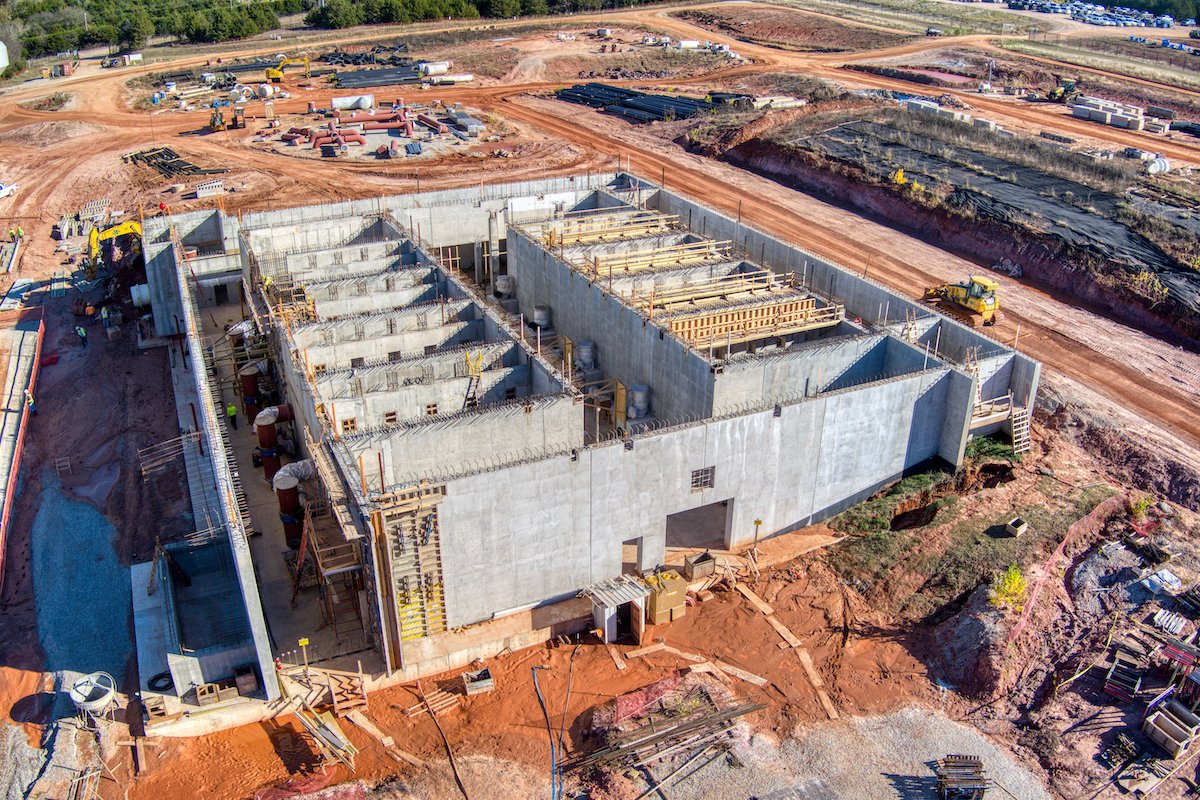
Phased Construction on Occupied Industrial Sites
Phased construction inside operating Oklahoma plants: lockout, hot work, shutdown windows and tie-ins planned so production keeps running as we build.
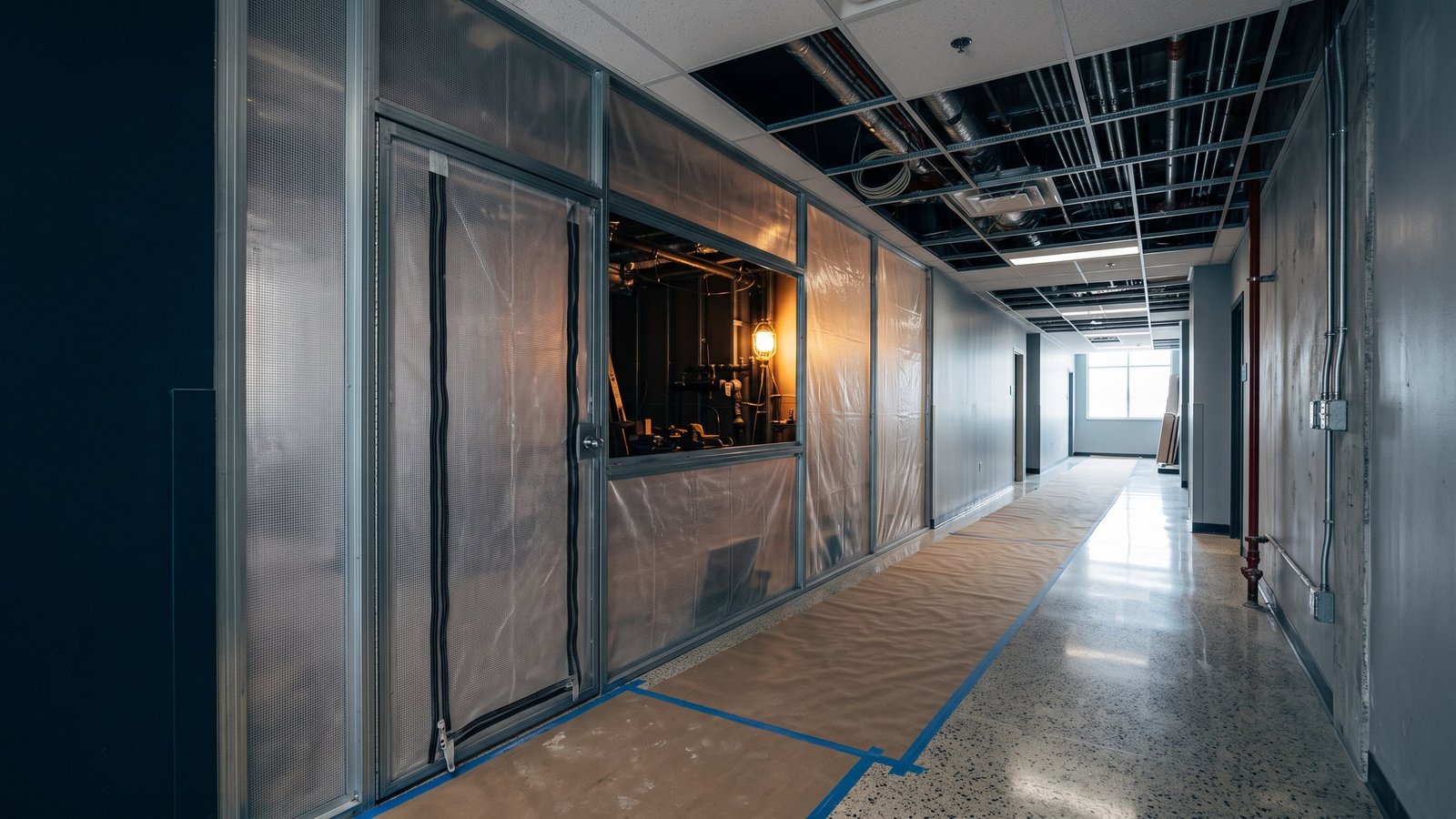
About 2,200 contractors reportedly came to the Ponca City refinery over a two-month stretch for one turnaround, on a site of roughly 2,500 acres with about 594 employees. That ratio explains the work we do. When a plant is running, or about to be restarted, the people building next to it outnumber the people operating it, and every one of them needs access, training, a work permit and a place to park. Phased construction is the discipline of making that arrangement safe and predictable.
We build in and beside operating plants: new bays against a live production floor, utility upgrades that cross an active yard, additions that must tie into a running process unit. In each case we plan around what has to keep running and what is allowed to stop, and the plan comes before the estimate, because the plan sets the price. Our view is simple: the plant is the customer's business, and construction must not become its problem.
That sounds obvious, but it changes how work is organized. Access routes, lockout points, hot work permits, noise limits, delivery windows and emergency response all get written down before mobilization, and the crews are briefed on them daily. Owners tell us the written plan is often the first time anyone has mapped all of those rules in one place.
Lockout, hot work and the permit system
Most operating plants run a permit-to-work system, and we work inside it rather than beside it. Before any task near live equipment, the owner's permit writer, the operator and our supervisor agree on the scope, the isolation points, the gas testing needs and the people who will be present. We follow lockout and tagout steps as written, and our supervisors hold the same stop-work authority that the owner's own staff hold.
Training matters as much as paperwork. A refinery in the state opened a dedicated safety training center with an 80-seat room in 2025, which says a lot about how seriously large sites treat orientation. We schedule orientation into our start-up, count it in the labor plan and do not allow anyone to start work until it is complete. Daily toolbox talks then cover the specific hazards of that day's work, including who is operating nearby and what has changed overnight. A crew that skips training costs more than one that waits for it.
Breaking the site into zones and phases
We start with a site logistics plan: haul routes kept clear of operating traffic, a fenced work zone with its own gate, laydown areas that do not block emergency access and temporary utilities that do not borrow capacity the plant needs. Where possible we separate construction traffic completely from product and employee traffic, even if that means building a temporary road first.
Then we divide the project into phases the plant can absorb. We draw the phase boundaries on a drawing the operators can read, with the live equipment, the isolation points and the escape routes marked, and we review it with the shift supervisors as well as the project manager. A phase has a clear start, a clear finish, a defined set of shutdowns and an agreed state for the plant when it ends. If the owner cannot afford to lose a line for more than a weekend, the phases are cut to fit that weekend, and the prefabrication is done off to the side so the tie-in itself is short.
Using the shutdown window well
A shutdown window is expensive and short, so every hour of it is rehearsed. We prefabricate pipe, steel, panels and electrical assemblies before the window opens, stage them within reach and walk the sequence with the foreman of each crew. The tie-in work in the window is limited to what truly has to happen while the plant is down.
If the window is a turnaround, we coordinate with the turnaround manager's schedule and lean on the owner's priorities rather than ours. If it is a weekend or a holiday week, we staff for it, confirm material the day before and keep a contingency plan for the item that most often fails, usually a valve, a breaker or a fit-up that differs from the drawing.
What changes the plan
The most common surprises are underground. Old utilities not shown on drawings, abandoned lines, unmarked conduit and variable soil all show up when you dig inside an old plant. On a plant with limited as-built records, we locate and pothole before excavation, scan with ground-penetrating methods where the owner approves, use hand-digging near live lines and keep a list of utilities for the owner's records when we finish.
Weather matters as well. Open excavations near operating equipment are a hazard in heavy rain, and spring storms in Oklahoma can arrive quickly. We keep shelters and a weather plan at the site, and we stop work in a way that leaves the plant safe, not just the construction. See how this connects to industrial renovations and modernization when the work includes existing buildings.
Crews who know the rules of the site
Closely managing key work gives us more control over safety and schedule in an occupied plant. We keep the same trade partners on excavation, concrete and site utilities where that is practical, which means the people doing the dangerous work have worked under our plan before. Fewer layers of subcontractors mean clearer communication.
For specialized trades, we use qualified partners who have been through the owner's contractor safety screening where one exists. We cover site utility work and commissioning with the same approach, so that handoffs between phases are clean.
Plan the work around your operation
Tell us what has to keep running, what can stop and for how long. We will return a phased plan with the shutdown windows, access and safety rules written out. If the project is part of a larger program, we can also help with programmatic multi-site rollouts.
Common Questions
Can you build while the plant is running?
Yes, in most cases. The question is how much of the work can be separated from operations and how much needs a shutdown. We map that together with your operations team before pricing, and we are direct about what cannot be done safely while production runs.
How do you handle contractor prequalification?
We provide safety records and insurance information on request, comply with the owner's contractor orientation and use the owner's permit system. If your site requires specific training or badging, we plan it into the schedule.
What happens if the shutdown window is cut short?
We plan for that by prefabricating and by sequencing work so critical tie-ins happen first. If a window is cut, we can often leave the plant in a safe, known state and complete the remaining work at the next opportunity.
Do you work with metals and heavy industry owners?
Yes. Metals and heavy industry plants combine heavy loads, hot work and tight outage windows, which is exactly where planning pays off. We prepare a detailed logistics and lockout plan before mobilizing.