Fencing and Security Integration for Oklahoma Industrial Sites
Perimeter fence, vehicle gates, operators, card readers, cameras and the power and conduit behind them, built as one system for Oklahoma industrial properties.
Fence height is the easy part of site security. The harder part is making a gate that opens for a trailer without leaving the line backed up onto the highway, a card reader that works in January, a camera that sees the plate and a power feed that does not die when someone digs near it. Owners often buy fence from one vendor, gates from another and cameras from a third, then discover that none of the three agreed on where the conduit goes.
We build fencing and security as an integrated site system. That includes the perimeter fence and its footings, vehicle and pedestrian gates, gate operators, access control, guard shelters, bollards and barriers, cameras, lighting and the underground conduit that links them. We coordinate the work with the owner security team and the low-voltage integrator, so each device lands where the cable, power and pavement are ready for it.
The aim is a perimeter that deters a casual intruder, records a determined one and still lets legitimate traffic through quickly. Getting there takes planning before the first post is set, particularly at gates, where civil, electrical and security work all collide.
Large perimeters and controlled sites in Oklahoma
The state has several sites where the perimeter is a major design element. The Tulsa Port of Catoosa describes itself as a multi-modal shipping complex and 2,000-acre industrial park with over 50 companies and nearly 3,500 workers, a mixture of tenants with different security needs behind one set of roads. Port Muskogee describes a 450-acre intermodal complex with 3,000 feet of navigable waterfront and Foreign Trade Zone 164, where customs-related controls make gates and cargo yards a regulated part of the operation. Our work around the Port of Catoosa and in Muskogee starts from that kind of mixed-use context.
Federal sites sit at a different level. McAlester Army Ammunition Plant lists 6.3 million square feet of storage and more than 2,500 explosive storage areas, and while we do not claim work on such sites, the scale shows how security can shape the whole layout. Private owners with sensitive products take notes from the same principles: clear zones, controlled entries and layered detection.
Pieces of the system we install
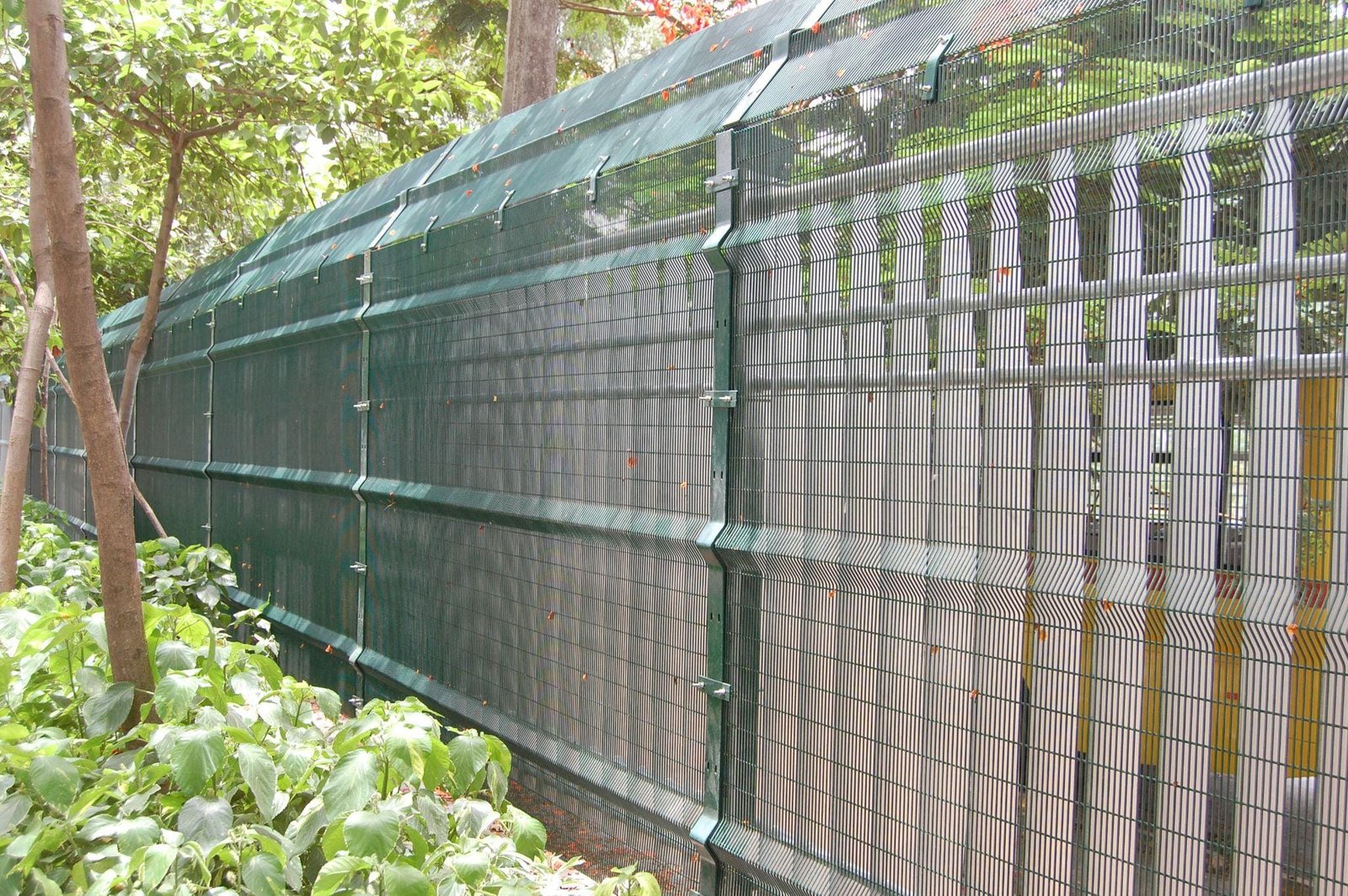
On the civil side we clear and grade the fence line, set posts in concrete to depth and spacing that suit the fabric, and build gate footings and slabs. Fence types range from chain link with top rail and barbed or razor wire to welded wire, ornamental steel and anti-climb mesh. For vehicle control we install sliding and swing gates, crash-rated barriers where required and bollards at storefront entries.
On the electrical side, we build the conduit, pull boxes and power feeds for operators, readers, intercoms, cameras and lighting, and we coordinate the low-voltage integrator's equipment. Guard shelters get a slab, utilities and a pad for ancillary equipment. Where the site has a loop detector in pavement for gate sensors, we place it before the final lift of asphalt or concrete, so we are not cutting new pavement later. Our yard lighting and electrical site work supplies power and light to the whole assembly.
Starting at the gate
Gates decide how much a site can handle, so we design the layout from the gate outward. We look at truck turning paths, queue length, the distance between the check-in point and the public road, and the number of lanes needed at peak. A gate placed too close to the road is a safety problem and a source of complaints, and a gate set too far in costs more fence and slows response.
We then match the fence line to the terrain and the property boundary, avoiding drainage ways where posts would be undermined and allowing for culverts and swales to pass through the fence without leaving a gap. We locate cameras based on sight lines and lighting, check for glare, and run conduit while the trench is open. With site concrete and ADA compliance requirements for pedestrian gates, we coordinate the accessible path through the security line as well.
Permits, setbacks and standards
Fences are regulated by local zoning, which can control height, materials and setbacks from the road or property line. Some cities require permits for fences above a set height or for gates across fire lanes. Fire access is a recurring issue: fire departments often want a Knox box or an emergency opener at the gate so crews can enter without delay, and gates must not block hydrants or required access routes.
For building and electrical work, the adopted codes apply. The state has adopted the National Electrical Code and the International Codes, while cities may still list earlier editions. We confirm what applies with the city, and we review the plan with the fire marshal when gates or barriers will affect access. Where customs, port or federal rules apply, we follow the owner security plan and its approvals.
Which owners ask for it most
A data center needs a hardened perimeter, layered detection and a controlled entry sequence, with vehicle barriers around the building. A truck terminal or cross dock needs fast, high-volume gates and a yard that is lit and watched. A manufacturing plant may need to separate visitors, employees and trucks, and a warehouse holding valuable goods may want a fenced yard with cameras and a guard shelter.
Owners in automotive and EV manufacturing often add controls for intellectual property, and that can mean fenced test areas, visitor screening and camera coverage that follows product through the yard. We adapt the system to the operation, and we avoid selling features the site will not use.
Build the perimeter with the site
Send us the property line, the gate locations and the security requirements. We will price the fence, gates and conduit together so the system works when the first truck arrives.
Common Questions
Why not buy fence, gates and cameras separately?
You can, but the interfaces are where problems appear. The fence installer may set a gate post where a conduit should pass, the camera vendor may need power that was never run, and the paving crew may cut the loop detector. Having one contractor coordinate civil, electrical and security details keeps the trench, the slab and the equipment in sync.
How wide should a truck gate be?
It depends on the trailer length, the turn into the gate and the number of lanes. Many truck gates are wider than the openings on plans suggest, and the approach matters as much as the width. We check turning paths with templates and adjust the gate location, the apron and the queue length so trucks do not block the road.
Do gates and fences need building permits?
Often they need some form of approval, depending on the city and the height, material and location. Gates across fire lanes need fire department review. We check local rules at the start, prepare any submittals and coordinate with the design team so permits are in hand before footings are poured.
Can you add security to an existing fence line?
Yes. We can add gates, operators, readers, cameras and lighting to an existing perimeter, trench new conduit and replace sections of old fence that are failing. The challenge is working around operations, so we phase the work to keep the plant open, usually starting with the gate that sees the least traffic.
What fails first in a gate system?
Gate operators and sensors fail first, particularly where dust, ice, impact or poor power cause trouble. A sound concrete pad, correct conduit and proper grounding go a long way. We build the supporting work carefully so the equipment installed on it lasts longer and is easier to service.