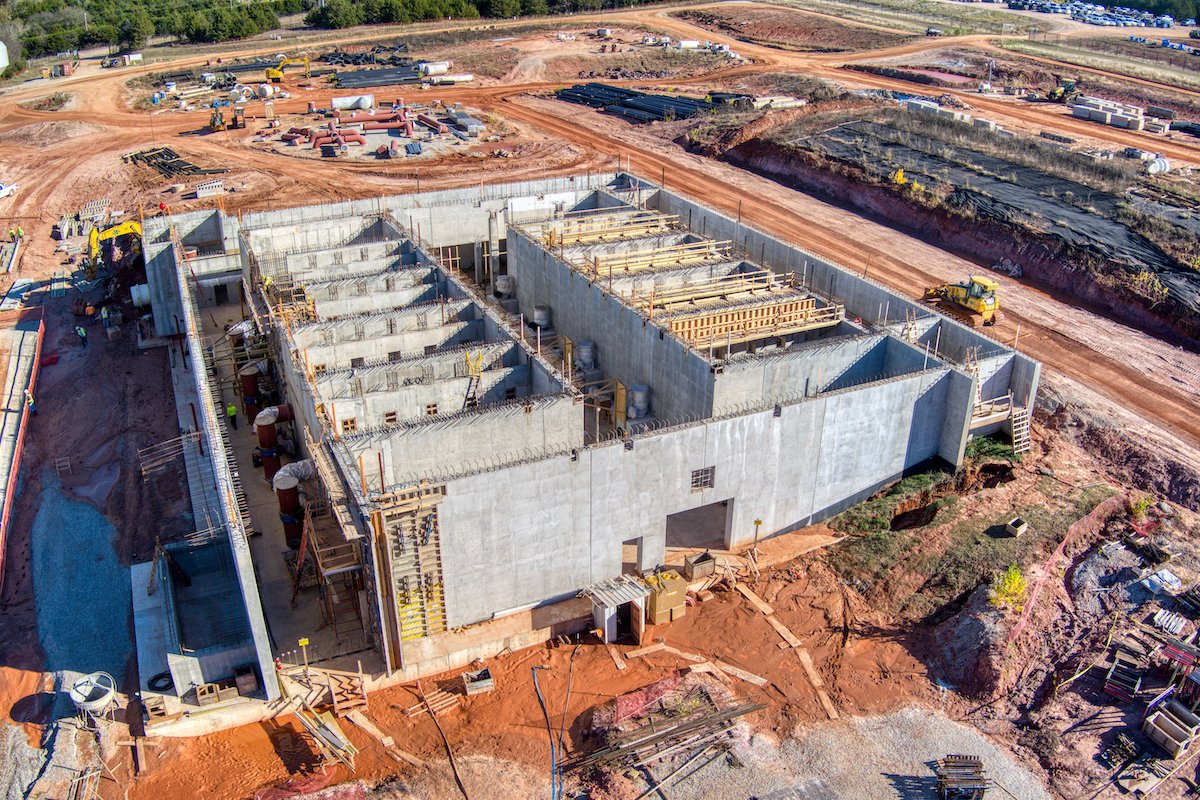
Automotive and EV Supplier Facilities in Oklahoma
Industrial contractor for Oklahoma tire, parts, battery-materials and fleet buyers: press foundations, flexible plants and adaptive reuse.
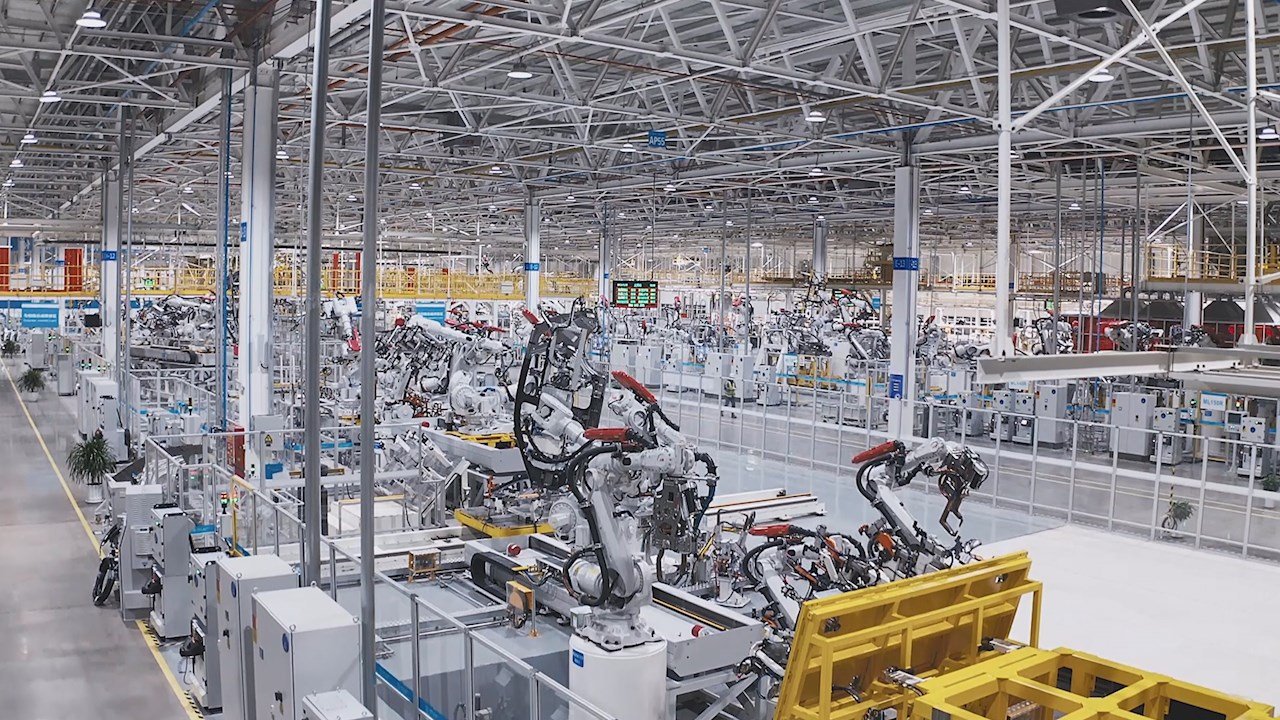
Southwest Oklahoma shows both sides of vehicle manufacturing in one state. A tire plant at Lawton was reported in April 2021 to be building a $50 million expansion, including a 45,000-square-foot building for an advanced mixer, at a site that employs about 2,900 people including contractors. In Ardmore, another tire maker announced that it would wind down its plant by the end of 2025, putting about 1,400 people out of work. An owner in this segment learns quickly that a building is a bet on a product line, and product lines change.
The automotive and electric vehicle chain in Oklahoma is mostly made of suppliers: tire and rubber, stamped and welded parts, trim and bumpers, aluminum and steel components, wiring and batteries in the early stages. Shawnee lists more than 70 manufacturers, including a metal tube maker, and Ada lists several manufacturers among its largest employers. Muskogee has a proposed $1 billion lithium refinery with 300 jobs, which, if it advances, would feed battery supply chains.
That is the buyer we build for: a tier-one or tier-two supplier, a tire or rubber processor, a battery materials company or a fleet operator, who wants a building that can handle today's line and tomorrow's retool.
What the Oklahoma vehicle supply base looks like
We do not pretend that Oklahoma hosts a vehicle assembly cluster comparable to those in neighboring states, and a plant-by-plant record shows why that is not what makes the state attractive. The pitch is suppliers: low industrial energy costs (state data puts them about 17 percent below the national average), highway and rail links that reach assembly plants across the region and a workforce experienced in heavy manufacturing.
Site readiness has improved, too. At Ardmore, local, tribal, state and federal leaders secured $47 million from the state's PREP fund for infrastructure at the industrial airpark, with a rail expansion under construction and a connecting road being rebuilt. A rail-served park with road, utility and air access gives a supplier a place to build quickly. We discuss how we approach such parks under Ardmore and Lawton, where the tire and defense work meet.
Designing for a product that will change
The usual mistake in a supplier plant is optimizing for the first program. A line that stamps one part today may run a different part in five years, and the building has to accommodate it. We ask the owner to define the range of equipment that could be installed over the life of the building, then build to that: column grid, clear height, crane capacity, floor load and utility capacity set for the heavier case.
Flexibility is cheaper at design than in renovation. Extra conduit sleeves under the slab, spare electrical capacity, knock-out wall panels for future expansion and generous truck courts cost little at the start and save a great deal later. Our preconstruction services include a flexibility study that compares the cost of those provisions against the cost of retrofitting.
Plants and facilities this segment builds
The building list is varied. Stamping and welding plants need heavy slabs, press pits and crane service. Tire and rubber operations need mixers, curing, high-voltage power and good drainage. Battery material and component plants need controlled environments, process utilities and careful chemical handling. Each can be framed as a variant of an automotive and EV plant, with its own requirements.
Fleet operators are a second buyer. A delivery or service fleet needs maintenance bays, fuel and charging infrastructure, wash bays and secure parking, and our automotive fleet facilities work addresses all of these. Where the structure is modest and the schedule short, a pre-engineered metal building is often the fastest route.
Foundations and floors for presses and lines
The foundation is the first test of a stamping or forming plant. A large press creates repeated impact loads that can crack a standard slab, so it sits on an isolated mat with its own reinforcement and often its own pit. We build equipment pads and foundations to the press manufacturer's drawings, with anchor bolts set from templates and embeds surveyed before the pour.
We schedule and supervise the earthwork, underground utilities and concrete, so the trade partner who sets the form on a foundation is the same one who places and finishes it. That consistency matters because a press cannot be shimmed into level if the base is wrong. Floors elsewhere in the plant receive hardeners and joint details suited to forklift traffic, and we plan trenches for coolant, power and compressed air before pouring.
Compliance and the closing-plant risk
Supplier plants run on tight audits: customer quality systems, environmental permits and safety records. We build to those expectations, including clean material storage, fire protection suited to oils and coolants and chemical containment where required. During construction, our work around operating lines follows the owner's lockout and hot work rules, and we coordinate crane lifts to avoid interrupting production.
There is also a harder conversation. When a plant such as the one in Ardmore closes, the building and its infrastructure become an asset to be reused. Owners and economic development groups ask how a large industrial building can be repurposed for logistics and distribution or metals and heavy industry, and we can evaluate floors, utilities and structure for conversion. That adaptive reuse work reduces risk for owners who are weighing a new site against an existing one.
Building a supplier plant or fleet site?
Tell us the program you have been awarded, the range of equipment and the date production must start. We will return a flexible-plant concept, foundation approach and schedule.
Common Questions
How do you design a plant that can change products?
We set the structure and utilities for the heaviest foreseeable case, include spare capacity and keep future expansion zones clear. The goal is to avoid structural changes when the line changes, although equipment foundations will still need modification.
Can you build for a supplier with a short lead time from a customer award?
Yes, and it is common. We rely on early release packages for steel, panels and foundations, combine design and construction where permitted and keep a daily schedule meeting with the owner and the equipment vendor. Choosing a pre-engineered metal building can compress the shell time.
What about chemical handling in battery material plants?
It depends on the process. We build containment, ventilated rooms, drains and chemical-resistant floors to the engineer's design, and we coordinate fire and environmental reviews early. Process safety and licensing sit with the owner and specialists, and we support them with accurate construction records.
Do you build EV charging or fleet electrification sites?
We build the civil, conduit, pads and canopies for charging areas at fleet facilities, working with the electrical contractor and the utility. Utility capacity is the main constraint, so we confirm it before design.
Can an older plant be converted to another use?
Often. We evaluate the slab, columns, clear height, docks and utilities, then price the changes. Conversions to distribution or light manufacturing are common, and an honest evaluation up front avoids buying a building that cannot be adapted.