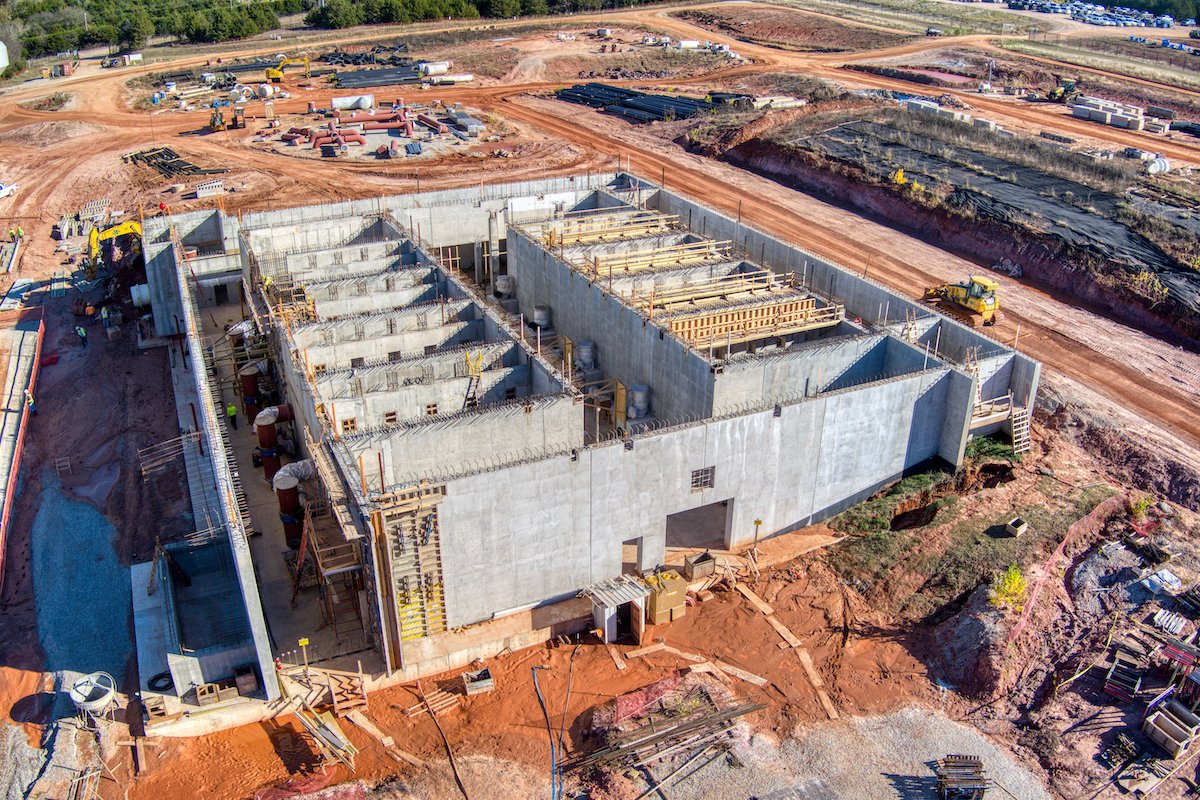
Shutdown and Turnaround Construction in Wagoner
Shutdown, turnaround and outage-window construction for Wagoner plants, with rail and highway access, lockout planning and permit coordination.
When a line stops for a planned shutdown, every hour of the window belongs to the schedule. We plan and manage construction for Wagoner plants that depend on those windows: replacing foundations, extending piping, upgrading electrical gear, repairing floors and adding equipment before production resumes. Licensed trade partners perform the field work, and we schedule, coordinate, supervise and inspect it so the plant restarts on the date promised.
Wagoner has an established industrial base that makes such planning familiar to local suppliers. On the city's available sites list, Industrial Park II is 59 acres of industrial zoning with rail access and a finished spur study, a quarter mile off Highway 69, and a neighboring 234 acres could receive rail, water, sewer, gas and electric. Existing tenants in the industrial parks include several established manufacturers, so plant owners nearby run on maintenance cycles that local suppliers understand.
Growth adds work between the shutdowns. Growth adds work between the shutdowns. In 2023 a heat exchanger company acquired a vacant industrial building here, and by April 1, 2024 the Quality Jobs Program had approved incentives for its plan to hire 100 people at wages averaging more than $55,000. We have no role in that project. It tells owners that trade partners will be busy with both new buildings and plant maintenance, so our advice is to lock in the labor for an outage long before the date.
Rail, roads and a short window
The highway and rail network around Wagoner shapes how a shutdown is staged. US-69, State Highway 51 and State Highway 16 serve the city, and the Muskogee Turnpike is easy to reach from a city about forty miles east of Tulsa. Union Pacific moves freight through town, at the meeting point of two historic lines that it owns today. For a plant, this means material can arrive by truck from several directions and by rail when the line is available.
We plan deliveries as carefully as labor. Large components such as vessels, motors and structural steel arrive on trailers that need turning space, crane access and a staging area close to the work. We map the route from the highway to the equipment, mark overhead and underground obstacles and agree with the owner on where each load will be set down.
Laydown space is usually the scarcest resource. During a shutdown the plant needs room for removed equipment, new equipment, scaffolding, tool trailers, waste containers and parking, and the room often has to be created by clearing a yard or stabilizing a field. We choose the laydown area early, prepare the surface with gravel or mats, light it for night work and fence it, so the first day of the outage does not start with a search for a place to put things.
Lockout, hot work and a crowded plant
A shutdown puts many people near energy sources that were live a week earlier. Before work begins, the owner's authorized employees apply and verify lockout on each system, and our supervisors confirm that each trade partner has applied personal locks. Hot work, confined space entry, excavation and lifting each require a permit, and the permit board is reviewed every shift.
We limit congestion by assigning work zones, controlling access with badges and holding a short briefing at the start of each shift. When the plan changes, the permit is revised and the affected crews are told before the work continues. Close calls are reported and discussed the same day, because a pattern of small events is often the first sign of a larger one.
Reviews for modifications to a working plant
A modification to an existing plant may trigger building, fire, electrical and environmental reviews, and some changes need the owner's insurer or corporate engineer to approve them. We list those approvals at the start of planning and place them on the schedule ahead of the outage. A late review can cost more than any amount saved on the work.
Documentation travels with the work. Drawings are marked up as the job proceeds, test results are recorded, and inspection sign-offs are collected. At turnover, the owner receives an organized package that supports compliance audits and later maintenance. Our page on permitting and entitlements coordination explains how we manage that process.
What an outage package includes
A typical package begins with a scope review and a task list, followed by procurement, prefabrication, mobilization, execution and restart. During the outage, the daily plan shows each task, its crew, tools, permit and inspection. After restart, we remain available for punch list items and for early-life problems that appear when equipment runs.
Common work includes equipment replacement, equipment pads and foundations, industrial concrete floors, structural repair and utility modification. We also coordinate work that benefits from the window but is not directly related, such as roof repairs or painting, if the owner wants to use the time and the risk is acceptable.
Labor and suppliers around Wagoner
Wagoner sits between larger markets, and its plants draw on trade partners from the surrounding area. The pages for Muskogee, Tahlequah and Broken Arrow describe how we staff and supply projects in those places, and for a shutdown we confirm travel time, lodging and shift lengths with each partner. Owners in metals and heavy industry and utilities and power are familiar with this approach.
We keep the owner informed with a daily report, a look-ahead of the next forty-eight hours and a short list of decisions needed. When a decision is pending, we state who must make it, what the options are and when the delay begins to cost time. That discipline keeps small questions from becoming big ones.
Put the outage dates on our calendar
Send us the shutdown dates, the task list and the equipment involved. We will return a daily plan, a trade partner lineup and a price based on the real shifts and permits.
Common Questions
When should we start planning a shutdown?
Months before, for a major one. The plan needs time for scope review, procurement, prefabrication and permits, and the best trade partners commit early. A small shutdown can be planned in weeks, but the same steps still apply.
Can work continue around the clock?
Yes, with two shifts of supervisors and enough qualified workers. Fatigue is a safety risk, so we limit shift length and plan rest. The cost is higher, and we show it in the estimate.
What if we discover extra work once the equipment is open?
It happens often. We keep a list of likely repairs with unit prices and an agreed process for approval, so discoveries can be authorized quickly. We also keep materials for common repairs on site.
How does rail access help a plant project?
It can lower the cost of heavy or bulk material and offer an alternative to trucks. We check the spur, the loading area and the rail company's rules before relying on it in the schedule.
How do you handle waste and removed equipment?
We plan for it in advance. Removal containers, hazardous waste handling, scrap and equipment storage are assigned before the outage, and the owner approves the disposal plan. Keeping removed material organized also protects reusable parts and keeps the work area safe.