Light Industrial and Hillside Site Work in Tahlequah
Light industrial buildings, service shops and graded sites in Tahlequah, planned for Ozark foothill terrain and the US-62 corridor.
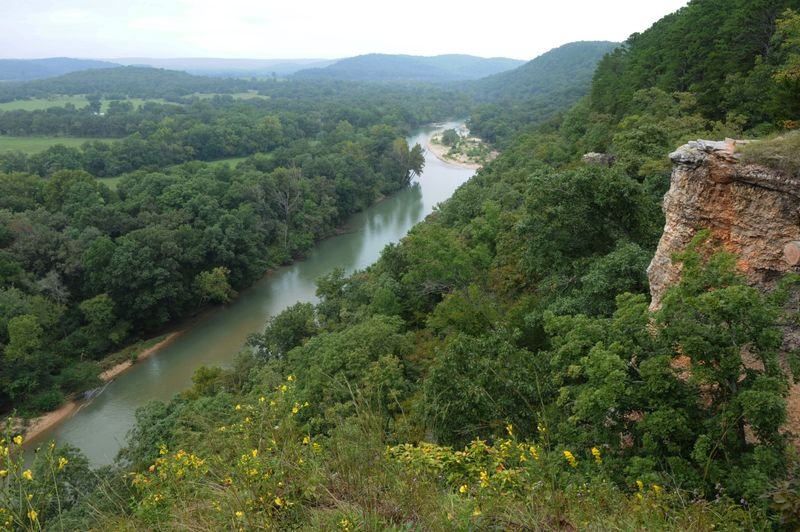
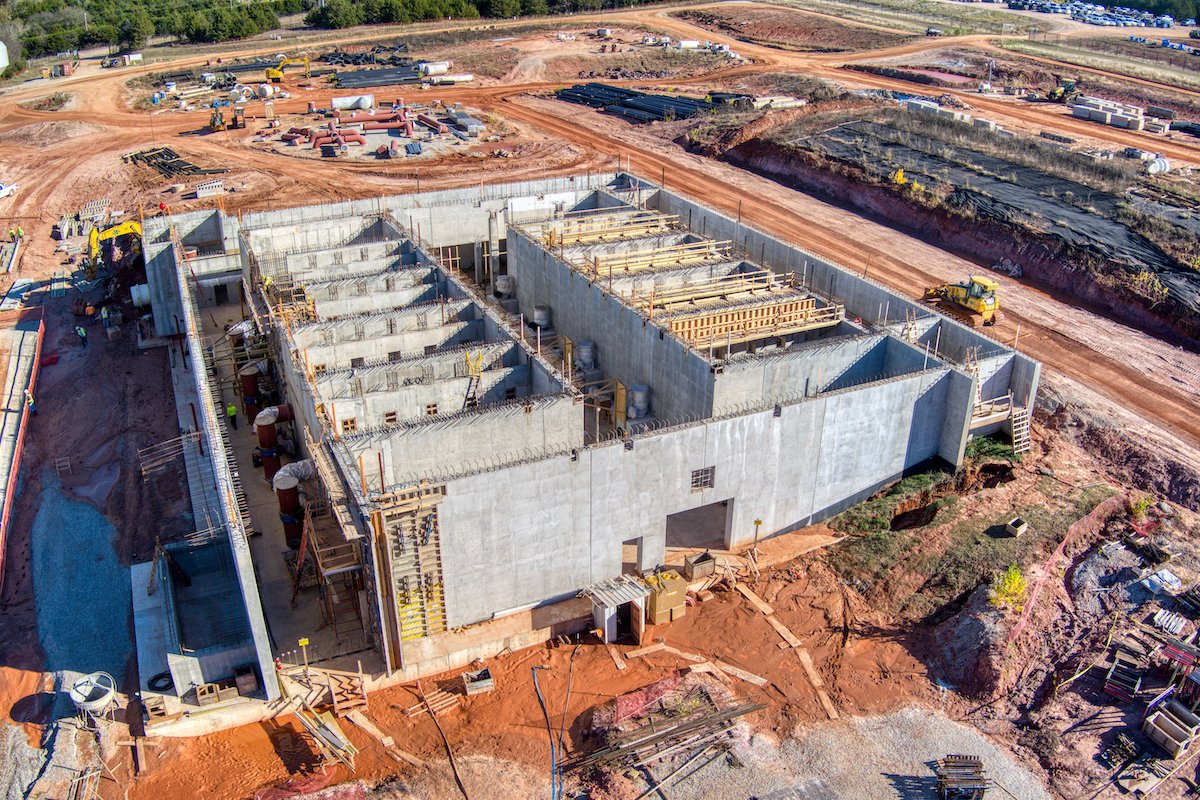
Hillside lots change the cost of an industrial building more than almost any other factor, and Tahlequah has plenty of them. Wikipedia states that the city is located at the foothills of the Ozark Mountains, at an elevation of 814 feet. For a light industrial or service building, that means cut and fill, retaining the grade changes with slopes and drainage, and a truck court that has to work on ground that is not flat. We build in that terrain by deciding the grading plan first and fitting the building to it, not the reverse.
Most of the demand here is for modest buildings: contractor shops, service garages, small manufacturing, warehouse space for regional distribution and support buildings for public and tribal enterprises. The Encyclopedia of Oklahoma History and Culture says that in 2000 the Cherokee Nation employed more citizens than any other entity in Tahlequah, with the state university a close second. That figure is dated, and we do not treat it as a current count, but it reflects a local economy rooted in public and institutional employers rather than a few large plants. The buildings that follow are practical and the budgets careful.
Our job for these owners is to keep a simple building simple. We resist unnecessary complexity, hold the structure to a metal frame or tilt-up where it fits, and spend money on the site and the slab, where it protects the building for the long term.
Grading, drainage and the truck court
On a sloped parcel, the first decision is the finished floor elevation. Set it high and the owner pays for fill and a retaining face on the downhill side. Set it low and the owner pays for excavation, possible rock and a drainage swale above the building. We compare both against the truck entrance, since a driveway grade that is too steep is a safety problem for loaded trailers and a headache in ice.
Drainage follows. Water that used to sheet across a slope concentrates when a roof and a parking area are added, and a neighbor downhill will notice. The site clearing and mass grading and stormwater detention and drainage teams we coordinate design the outfalls and test the soils before we commit to a number.
What we build in the foothills
Typical work includes pre-engineered metal buildings for shops and warehouses, maintenance bays with heavy floors, small-bay contractor space and the paved areas that serve them. For service and maintenance users, we place floor drains, oil separators and overhead doors where the work actually happens. See our maintenance shops and service bays approach for the details.
Foundations on sloping ground need care. A footing that steps with the grade, a slab that sits partly on fill and partly on cut and a wall that has to resist earth pressure on one side are all easy to get wrong. We specify compaction, testing and a transition detail so that the slab does not crack where the soil changes.
Corridors and institutional demand
The Encyclopedia of Oklahoma History and Culture places Tahlequah at the intersection of U.S. Highway 62 with State Highways 10, 51 and 82. Those routes connect the city to the surrounding region, but they are two-lane in places, and large loads take planning. We map delivery routes for steel, precast and equipment, and we schedule oversize hauls during off-peak hours.
KTUL reported on March 26, 2018 that the Cherokee Nation announced a new casino at Cherokee Springs Plaza near Nancy Ward Drive, replacing an older casino a couple of miles away, with a convention center in the project. We note it as an example of the kind of institutional and hospitality development in the area, which draws on the same trades and suppliers that industrial owners need. It is a published report, not a project we built.
What moves the price
In rolling terrain, earthwork is often the largest single line after the building. Rock excavation can cost several times what soil does, and it is hard to know without borings. We recommend borings at the building corners and the likely cut areas, and we carry a clear allowance for rock until the results come in.
The second cost is distance. Trades, supplies and equipment may come from Tulsa or Muskogee, and we plan loads accordingly. Owners who can accept a simpler building, a gravel yard that is paved later or a smaller initial footprint often reach a workable budget without compromising the structure. Our preconstruction services exist to find those options early.
Who builds here
Public, tribal and educational institutions, regional distributors, service trades and light manufacturers make up the market. The logistics and distribution page and the advanced manufacturing page explain what we do for those groups. Owners comparing nearby towns can look at Muskogee for river and rail access and Claremore for the northeast corridor.
Sequencing a hillside job
Sloped sites reward a strict order of work. Clearing and erosion control come first, then rough grading and the drainage structures, then the building pad with compaction tests, and only then the foundation. Rain interrupts the earthwork more often on a hill than on flat ground, and exposed slopes can wash into the street or the neighbor's property. We install silt fence, inlet protection and a stabilized construction entrance before the first cut, and we keep topsoil and spoil piles away from drainage paths.
Once the pad is ready, the building goes up quickly. A metal frame can be erected in days, and the slab, doors and envelope follow. We hold the finish paving until heavy equipment and deliveries are done, so the new asphalt or concrete is not damaged by the trucks that built the shop.
Working on slopes and in tight access
Excavation near slopes brings risks of cave-ins, equipment tipping and falling material. We shore or slope trenches as the rules require, keep spoil back from the edge and use spotters when machines work above or below one another. Material deliveries on narrow roads get a plan: where the truck stops, who flags traffic and where the load is set.
Weather also matters. Oklahoma is exposed to severe storms, and a hillside site can see fast runoff after heavy rain. We watch the forecast, stage equipment on stable ground and secure materials at the end of each day.
Get borings and a grading plan first
Send the parcel and the building size. We will review slope, soils and access and return a grading concept with the cost of cut, fill and drainage.
Common Questions
Is a sloped lot a bad idea for a shop?
Not necessarily. A slope can allow a lower-level dock or a split-level layout, but it raises earthwork and drainage cost. We compare sites on total cost, not only land price.
Do you need borings for a small building?
Yes. Borings tell us about rock, fill and groundwater, and they affect the foundation and the price. Skipping them often costs more later.
How do trucks get in and out?
We check the grade of the entrance and the turning paths of the longest vehicle you expect. If the slope is too steep, we adjust the building location or the driveway.
Which codes apply in Tahlequah?
The state adopted newer International Codes, and the city confirms the edition and amendments. We check before design is final.