Energy and Pipeline-Adjacent Facilities in Lone Grove
Energy and pipeline owners near Lone Grove get control buildings, pads and yards planned around buried lines, hazardous areas and severe weather.
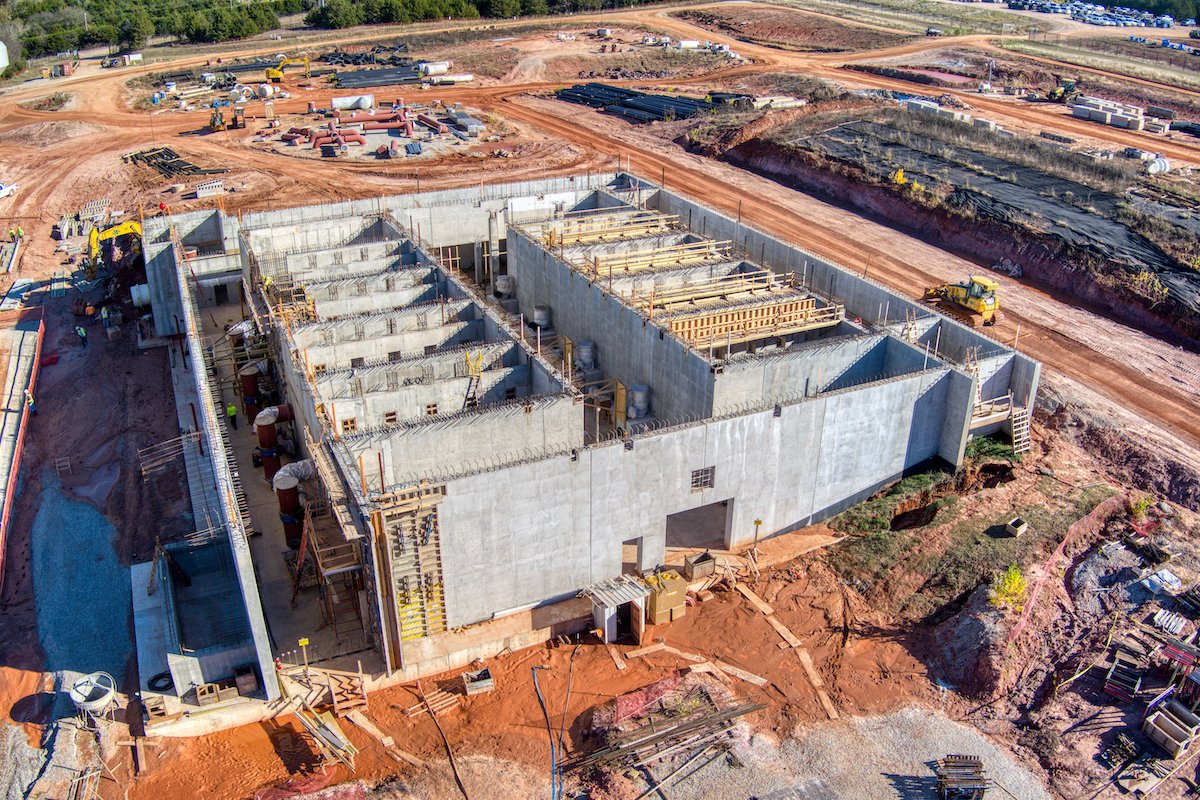
Energy and pipeline-adjacent owners near Lone Grove need buildings, pads and yards that respect the lines around them. We build equipment enclosures, control buildings, shops and laydown areas for those owners, working with the operators on isolation, clearance and access. Trade partners are scheduled and supervised by us, and no excavation or hot work starts until the owner confirms what is below and beside the work.
Development in the area has been restricted. After a ten-year pause on new building, Lone Grove lifted its moratorium in 2025 once a new water tower had been filled, and the school district expects new homes and population as a result. For an industrial owner, that signals that utility capacity is improving and that the town is opening to new projects, though capacity still has to be confirmed lot by lot.
Ardmore lies about 7 miles along US-70, which passes through the middle of Lone Grove and gives deliveries a direct route in from the regional hub. Owners looking at industrial park or port-type sites in the region can use the same planning approach, with rail, road and utility access checked before a lot is chosen.
Working near pipelines and process equipment
Before we begin, we request line locations and operating information from the owner and the utility locating service. Excavation near a marked line uses hand tools or vacuum equipment, and a spotter watches the work. Hot work, lifting and vehicle movement near process equipment follow written permits. We brief every trade partner on the owner's emergency procedures, the location of shutoffs and the route to the muster point, and we keep a sign-in log so the owner knows who is on site at any hour.
The weather here also requires a safety plan. A tornado in February 2009 reached an EF-4 rating, killed 8 people, injured 46 and cut a path 37 miles long and as much as 880 yards wide, with extensive damage inside the town. We include severe weather procedures, shelter locations and securing of materials in every site plan.
Services that support energy-adjacent sites
Pads for tanks, skids and pumps are built under equipment pads and foundations, and the yards that surround them use stabilized laydown yards to support heavy loads in wet weather.
Containment, drainage and lighting come with those elements. We coordinate each so that a spill, a storm or a late shift does not create a problem the owner discovers after the contractor leaves. Lighting is aimed for safe night work and kept out of neighbors' windows, and drainage is checked with a water test before final paving.
Lone Grove and the Ardmore area
The town's location on US-70 makes it an easy base for work in the Ardmore area and for connections to larger markets. Our pages for Ardmore, Duncan and Durant describe how we run projects in nearby cities.
Crews and suppliers often travel from those cities, so we plan delivery and labor around the commute and keep a stock of consumables at the job site to avoid trips for small items. Heavy loads are scheduled for hours that avoid school bus times and local peaks on the highway.
Buildings for operations and control
Common energy-site buildings include control rooms, electrical enclosures, maintenance shops, warehouses for spares and small offices. A pre-engineered metal building is often the quickest way to cover equipment or storage.
Control buildings may need blast resistance, positive pressure or special wall construction, depending on the hazard assessment. We build to the owner's engineer's specification and coordinate the supplier. The wall panels, doors, penetrations and sealants are inspected as they go in, because a tight building is much harder to correct after it is finished.
Permits and plan review
Local building permits cover structures, and fire and environmental reviews may apply to tanks, containment and electrical classification. We ask which agencies have an interest at the start and prepare documents that answer their questions.
A moratorium that has just ended also means the city may be processing a higher volume of applications. We submit complete packages and track them closely so that review time does not become the longest part of the schedule. Where a utility must extend service or enlarge a line, we start that conversation with the provider before the design is final.
From survey to startup
Typical scope includes survey, utility location, grading, drainage, foundations, steel, building envelope, electrical and instrument conduit, pavement, fencing and startup support. We keep a punch list from the first week, not the last, so open items are always visible. Completed work is photographed before it is covered, which gives the owner a record of what is inside the slab, wall or trench.
When the project ends, the owner receives as-built drawings, test records, warranty documents and a plain list of maintenance items. That package helps operators run the facility and helps the next contractor who works there.
Owners we work with
Our utilities and power work covers substations, pump stations and similar facilities, where reliability is the main goal. Pipeline and refinery owners share that need and add the discipline of working around hazardous product.
Local institutions also build: voters in the school district considered a $12.8 million bond on September 9, 2025, of which $10.3 million would go to the district, with money set aside for an agriculture building, athletic and multipurpose facilities, plus window, parking lot, roof and drainage work. That work belongs to others, but it shows the kind of activity the area expects.
Wind, water and the plan for storms
Open sites invite wind, and metal buildings, tanks and stored materials need to be designed and secured for it. We confirm the design loads with the engineer and inspect connections, anchor rods and bracing as the building goes up.
Drainage matters just as much. We shape the grade so that rain leaves the pad quickly, add containment where the owner requires it and plan erosion controls that survive heavy storms. Where owners want extra protection for critical equipment, we discuss reinforced enclosures, storm shelters and elevated gear with their engineer.
Tell us what lines and equipment are near your Lone Grove site
Share the site, the lines and equipment nearby and your safety rules. We will return a plan, a schedule and a price for your Lone Grove project.
Common Questions
How do you avoid damaging buried lines?
We request locates, review owner records, probe by hand or vacuum within the marked zone and keep a spotter on the work. If a line is not where drawings show, we stop and call the owner. No machine digs until the line is confirmed.
What is different about building a control building?
Control buildings may need blast rating, pressurization, cable entries and clean air. These items are set by the owner's hazard study, and we coordinate the supplier and trades to match it. Inspection and testing are more detailed than for a plain shop.
Does the end of the moratorium affect industrial projects?
It may increase the number of applications at the city, and utility capacity still needs to be confirmed for each lot. We ask the city early and plan the schedule around reviews.
How do you handle severe weather on site?
Every site plan includes a weather watch, shelter locations, a stand-down procedure and rules for securing materials and equipment. Supervisors stop work when a warning is issued and check the site before restarting.