Refinery and Pipeline-Adjacent Construction in Cushing
Pads, containment, buildings and utilities for refinery, tank farm and pipeline-adjacent owners in Cushing, planned around permits and live assets.
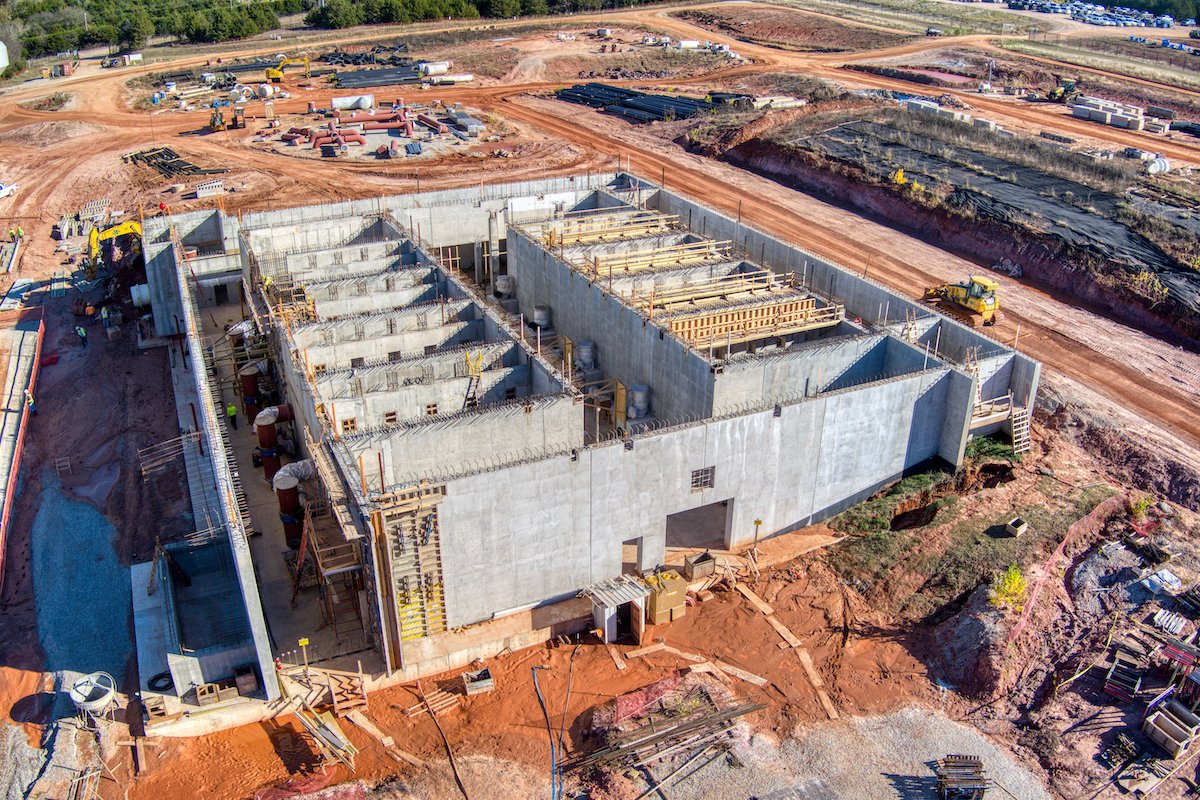
Owners who work beside crude storage, pipelines and refining need a contractor that treats the existing assets as the first constraint. We plan and manage construction in Cushing for operators and suppliers in the energy sector: equipment pads, containment, control and electrical buildings, fire water, access roads and utility tie-ins. Licensed trade partners perform the field work, and we schedule, coordinate, supervise and inspect it.
Scale in this market is unusual for a town of its size. Tank farms around Cushing store roughly 100 million barrels, according to Greater Oklahoma City, and the same source gives the town a nickname that owners here know well, Pipeline Crossroads of the World. Enbridge operates a tank farm nearby that had a maximum capacity of 20,060,000 barrels as of 2010. Work on or near such facilities involves hazardous area classifications, spill containment rules and restricted access, and we build those realities into the first estimate.
In May 2023, Southern Rock Energy Partners selected Cushing for a $5.56 billion refinery with a capacity of 250,000 barrels per day, more than 423 full-time operating positions, a 36-month construction period starting in 2024 and commercial operations beginning in 2027. We have no role in that project. An announcement of that size tells other owners that labor, equipment and materials will be in demand, and that early commitments protect the schedule.
Hazardous areas, containment and access
Construction near hydrocarbons starts with classification. Areas around tanks, pumps and loading racks may be classified for flammable vapors, which controls the electrical equipment, the ignition sources and the work permits allowed. We ask the owner for the area classification drawings and plan construction methods, tools and equipment accordingly.
Containment is the second consideration. Pads for pumps and tanks usually need curbs, sumps and slopes that direct spills to a collection point, and stormwater must be kept apart from product. We coordinate those details with the civil and mechanical designers, and the trade partners review them before the formwork is built. Our page on stormwater detention and drainage describes the principles.
Energy, midstream and suppliers
Operators in the crude oil and refined products sector include storage terminals, pipeline companies, refiners, service companies and equipment suppliers. Each needs different buildings and pads. A terminal may need a control building, a pump pad and a truck rack, while a supplier may need a yard, a shop and a laydown area. We work with owners in utilities and power and the same questions come up for fabricators who supply them.
The common thread is risk management. Insurers, regulators and corporate safety groups review these projects, and their requirements shape the plan. We prepare submittals, safety plans and inspection records so the reviewers get consistent documents and the owner is not asked to write them twice.
What we plan and manage
A typical scope includes site preparation, grading, foundations, containment, utilities, buildings and tie-ins. For a pump station, that could mean a concrete pad, an electrical duct bank, a control shelter and a lighting system. For a larger site, it might include a fire water loop, access roads and fencing. We organize the pieces into packages that can be bid and scheduled together.
Documentation matters as much as the pour. Material certificates, weld records, concrete test results and inspection sign-offs are collected as the work proceeds and handed over in an organized package, which helps the owner's integrity and safety groups later. We also manage the interfaces. The pipe fitter, electrician, concrete finisher and instrumentation technician all arrive at different times, and each depends on another. We maintain a master schedule and a weekly look-ahead, track inspections and hold coordination meetings so the packages fit together when the equipment is set.
Permits and reviews
Energy-sector projects pass through several reviewers. The local building department reviews structures, fire officials review fire protection, and state or federal agencies may review air, water or pipeline matters. We identify these reviews at the start, prepare applications and track approvals on the schedule, so the owner knows which review is on the critical path.
Owners often have their own standards that are stricter than the minimum. We obtain those standards early and compare them with the project drawings, and we note any conflicts in writing. The sooner the differences are known, the cheaper they are to resolve, and the owner's engineer can approve a deviation before material is ordered rather than after it arrives on site.
Buildings that serve the tank farm
Typical buildings include control rooms, electrical enclosures, maintenance shops, warehouses, truck offices and operator facilities. They are often built of pre-engineered metal or masonry, with blast or fire ratings when the owner requires them. We coordinate the structure, the electrical gear and the cable routing so the building is ready for equipment when it is delivered.
Roads and pavement are part of the building program. Tanker trucks and heavy equipment travel on them daily, so we design pavement thickness and joint layout for the loads. Payne County's Highways 18 and 33 cross in Cushing, so we lay out site entrances with the through traffic on both routes in mind.
Services around the pad and the pipe
Many projects need foundations, utilities and electrical work, and we manage each as part of the plan. Our pages on equipment pads and foundations and fire water loops and hydrants describe common elements. We also plan heavy haul access roads for sites that must receive large vessels or modules.
Delivery by air is another option for lighter, urgent parts. Cushing Municipal Airport has a paved runway measuring 5,201 by 100 feet, and we consider it when planning emergency deliveries. Nearby markets such as Stillwater, Sapulpa and Sand Springs supply labor and materials for projects in this area.
Send the site plan and the standards
Share the asset drawings, the owner standards and the date you need the facility running. We will return a scope, a permit path and a schedule that reflects the restrictions of building beside live energy infrastructure.
Common Questions
Can you build while the tank farm is operating?
Yes, with a plan. We define the work zones, confirm hazardous area boundaries, obtain hot work permits and coordinate with the operator's control room. High-risk activities are scheduled for specific windows.
What does containment add to a pad?
Curbs, sumps, slopes, coatings and sometimes liners. These details increase concrete and labor, and they require careful finishing. We include them in the estimate so the owner can compare options.
How early should we start planning for a project this size?
As early as possible. Large announced projects compete for the same trades and long-lead materials, and the owner who commits first usually has the better schedule. We help prepare procurement plans during preconstruction.
Who reviews a project near pipelines?
The local building department, fire officials and the pipeline owner usually review it, and regulators may review it as well. We identify the required approvals at the start and schedule them in order.
What should be in the first meeting?
The site plan, the existing asset locations, the hazardous area drawings, the owner's standards and the date the facility must operate. With those, we can outline scope, permits and schedule.