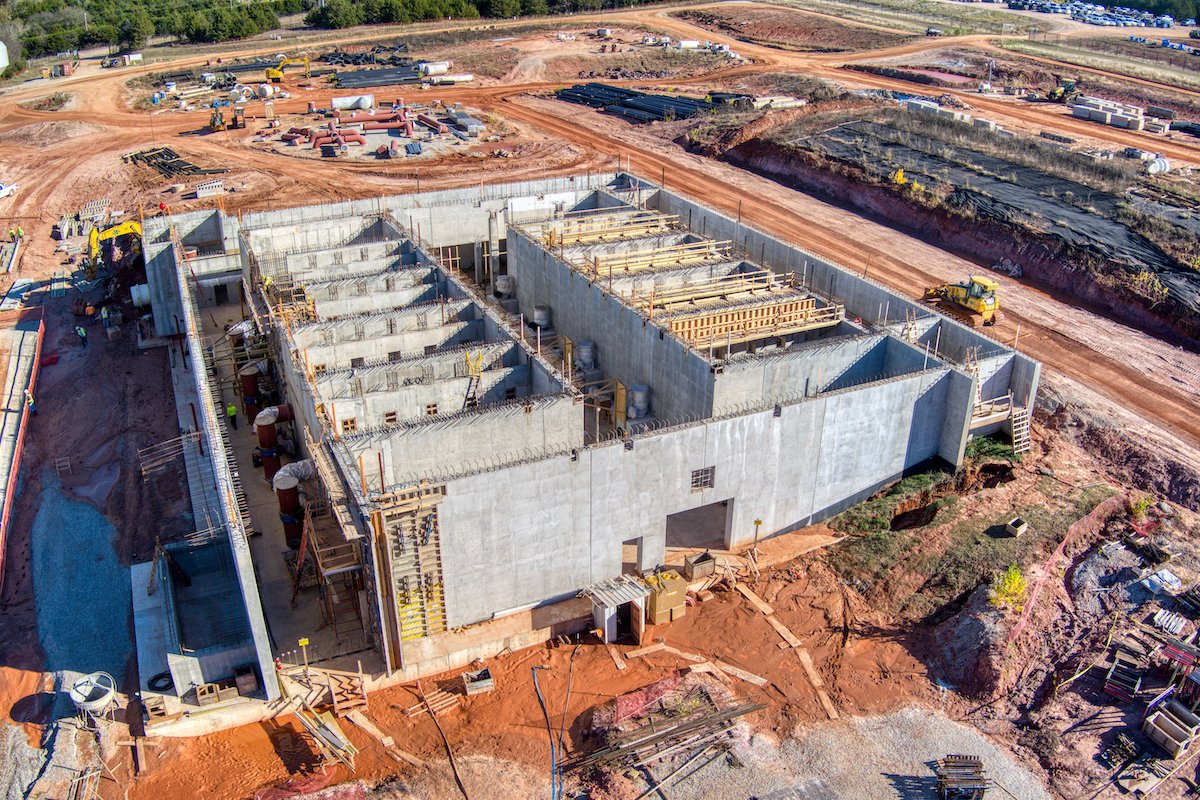
Industrial Building and Site Work in Sapulpa, Oklahoma
Industrial buildings, truck yards and rail-adjacent site work in Sapulpa, planned around the Creek Turnpike and I-44 junction and the city code notice.
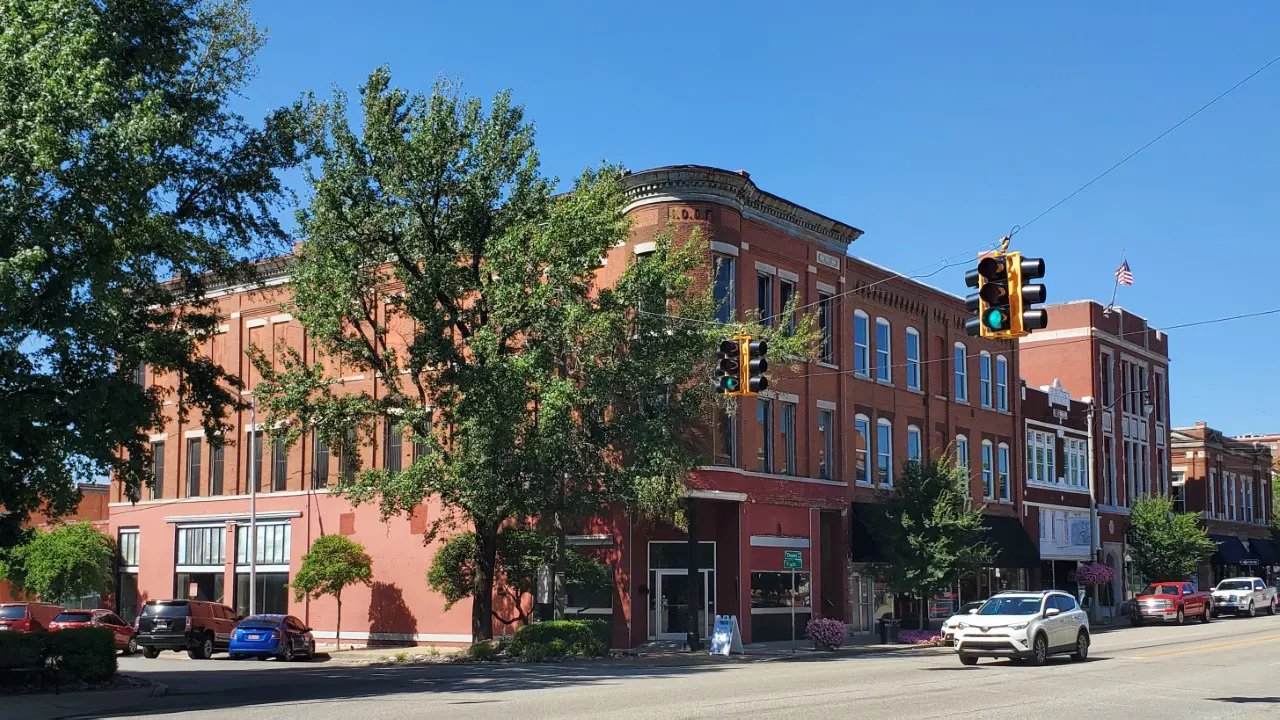
Truck access decides whether a Sapulpa industrial project pays for itself, and that is where we begin every conversation about the city. We build manufacturing support buildings, warehouse shells, equipment pads and heavy-duty yards southwest of Tulsa, and each one starts with the route a loaded trailer takes from the gate to the interstate. In Sapulpa that route is short, because the Creek Turnpike (SH-364) begins at the I-44 Turner Turnpike interchange at exit 217 and runs 33.22 miles, according to Wikipedia.
That junction gives an owner two ways out of town without crossing the middle of Tulsa. A plant with outbound product can aim at the interstate corridor toward Oklahoma City, or loop around the Tulsa metro on the turnpike. We design truck courts and turning radii around that choice, then size pavement sections for the actual axle loads instead of a generic parking-lot mix. A yard that is built for the wrong traffic is the most common reason an owner repaves in the first five years.
The city is also an old rail and glass town, and the buildings show it. Wikipedia reports that a railroad built a railyard here and had designated the city an overhaul base for its rolling stock by 1900, and that a glass plant that dates to 1912 still makes beer bottles today. We do not take those facts as a promise of any particular site condition. We treat them as a reason to expect old foundations, buried utilities and fill when we walk a parcel, and to budget a real investigation before we price.
Where Sapulpa fits in the Tulsa industrial map
Wikipedia puts downtown Tulsa 14 miles northeast of Sapulpa by way of I-44, and describes Sapulpa as the county seat of Creek County. For a buyer, the practical meaning is a drive of about a quarter hour to the Tulsa aerospace and port employers, with land and utility conversations that happen at a smaller scale than in the central metro. Owners who need a few acres for a service building, a fabrication shop or a trucking base often find that Sapulpa gives them more room per dollar than parcels inside the Tulsa city line.
That is not the same as saying it is easy ground. Smaller jurisdictions can move quickly on a clean submittal and slowly on an incomplete one, and utilities at the edge of town may need to be extended rather than tapped. Our preconstruction work includes a plain list of what the site is missing, whether that is sewer capacity, a turn lane, a fire hydrant within reach or an easement, so the owner sees those items before the land closes.
Permits and the codes the city lists
The City of Sapulpa Building Inspector published a notice in February 2024 listing the codes it treats as the minimum for all construction inside the city: the International Building Code, the International Residential Code, and the National Electrical Code. The state has since moved toward newer editions, and the statewide notes call for the International Codes. Cities adopt and enforce their own editions, so we confirm with the building department which set applies on the day of submittal, and we do not assume the answer from last year's project.
That conversation matters most on the electrical side and on fire protection. A plant that adds process equipment, a new transformer or a fire pump may be reviewed against a different edition than the shell it sits beside. Our permitting and entitlements coordination puts each discipline on one calendar, with the city, the fire marshal and the utility, so that a late comment from one reviewer does not freeze the others.
What we build around Sapulpa
Most Sapulpa work falls into three groups. The first is pre-engineered or steel-framed buildings for light manufacturing and warehousing, where we pour the slab, set the frame and finish the envelope. We coordinate the foundation and the erection crew as one package. The second is yard and pavement work: heavy-duty concrete or asphalt for truck courts, parking and laydown, with drainage that sends water to a detention area instead of toward a neighbor. The third is equipment support, such as pads, pits and trenches for production lines.
Glass, metal and packaging plants have one trait in common, which is heat and weight. Furnaces, tanks and forming lines load a slab differently than racks do. When a plant in the area needs a new pad, we ask for the equipment weights and the vibration limits first, then design the reinforcement and the subgrade preparation around them. The equipment pad and foundation crews we coordinate handle the formwork, steel and placement under one schedule.
Rail history, fill and buried surprises
A town that once served as a railroad overhaul base is likely to have rail beds, spurs and old yard areas under or beside developable ground. We have no reason to claim any specific parcel is affected, and the sources do not say so. We do recommend a records search, a utility locate and test pits during due diligence, because fill from an old yard will not support a loaded slab without correction. Fixing weak fill costs money, and finding it before closing costs far less than finding it after the footings are open.
Where an owner wants to keep or reconnect a rail line, our rail spur site improvements cover the grading, ballast area and crossing pavement. Whether a spur is practical depends on the railroad, the switching arrangement and the volume, and we say so plainly. A spur that moves two cars a month rarely repays its own construction.
Sequence for a plant that keeps running
Much of the work near Sapulpa is an addition to something already operating. In that situation the schedule is built around the plant, not around the crew. We map where forklifts, trucks and people travel, close off a work zone with fencing and signs, and agree on lockout, hot work and tie-in windows with the plant manager before we mobilize. Tie-ins to existing process or fire lines are scheduled for the slowest production days, with materials staged and the crew ready.
The same thinking applies to concrete. A slab or a pad that has to cure while production continues needs a clear path for deliveries around it and a plan for pump or truck staging. That is how we approach phased work on occupied sites.
Who builds here
Container and packaging manufacturers, metal fabricators, trucking and logistics operators and oilfield equipment shops all fit this part of the Tulsa metro. Our metals and heavy industry experience applies to the shop and yard work, and the logistics and distribution side to the truck courts and docks. For buyers who want to compare options across the metro, the Tulsa and Sand Springs pages describe what we build on the other sides of the city.
Owners who also have operations near the river port should read about building near the Port of Catoosa, because a company that splits work between sites often wants one builder for both.
Walk the parcel with us before you close
Send us the address, the use and the truck count. We will review access, utilities, the codes the city lists and what the ground is likely to hold, and give you a written list of risks before you commit to the land. Buyers elsewhere in the state get the same review.
Common Questions
Which codes apply to a new building in Sapulpa?
The city has published a notice listing the International Building Code and the National Electrical Code as its minimums, and the state adopted newer International Codes. We ask the building department which edition governs your submittal and design to that answer, since adoption dates and local amendments can shift.
Is Sapulpa a good location for a trucking or distribution yard?
The Creek Turnpike starts at the I-44 interchange at exit 217, so trucks can reach two routes quickly. The question is the site itself, meaning turning room, drainage and utilities. We study those before an owner commits to land.
Should I worry about old railroad fill on a Sapulpa parcel?
It is reasonable to check. The city had a railyard in its early history, and old yard areas can leave fill and buried materials behind. We recommend a records search and test pits before purchase, and we price any correction as its own line.
How do you build next to a plant that cannot shut down?
We separate the work zone physically, agree on lockout and hot work rules in writing and schedule tie-ins for low-production periods. Deliveries and forklift routes stay open around our fence. The plant manager approves each shutdown window before we begin.