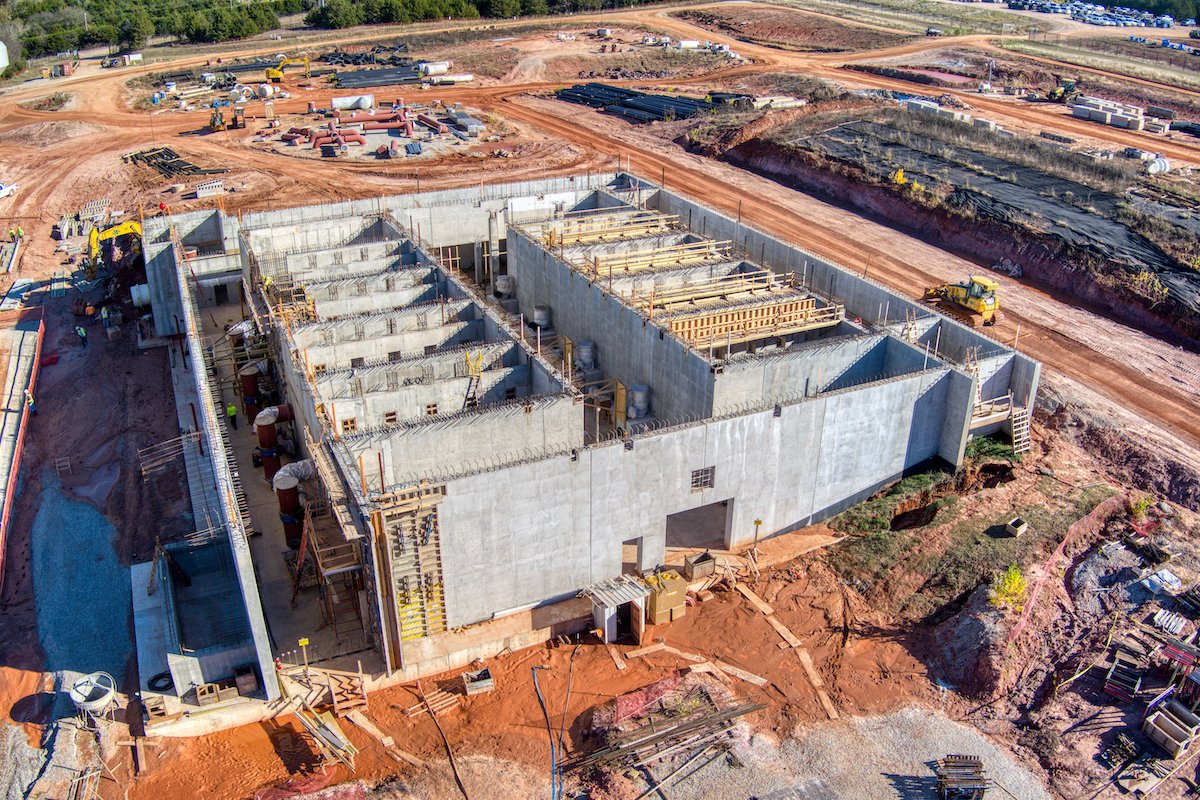
Data Center Construction in Oklahoma, From Site Work to Shell
Ground-up data center site work, utilities, foundations and shells in Oklahoma, scheduled around utility power dates and long-lead equipment.
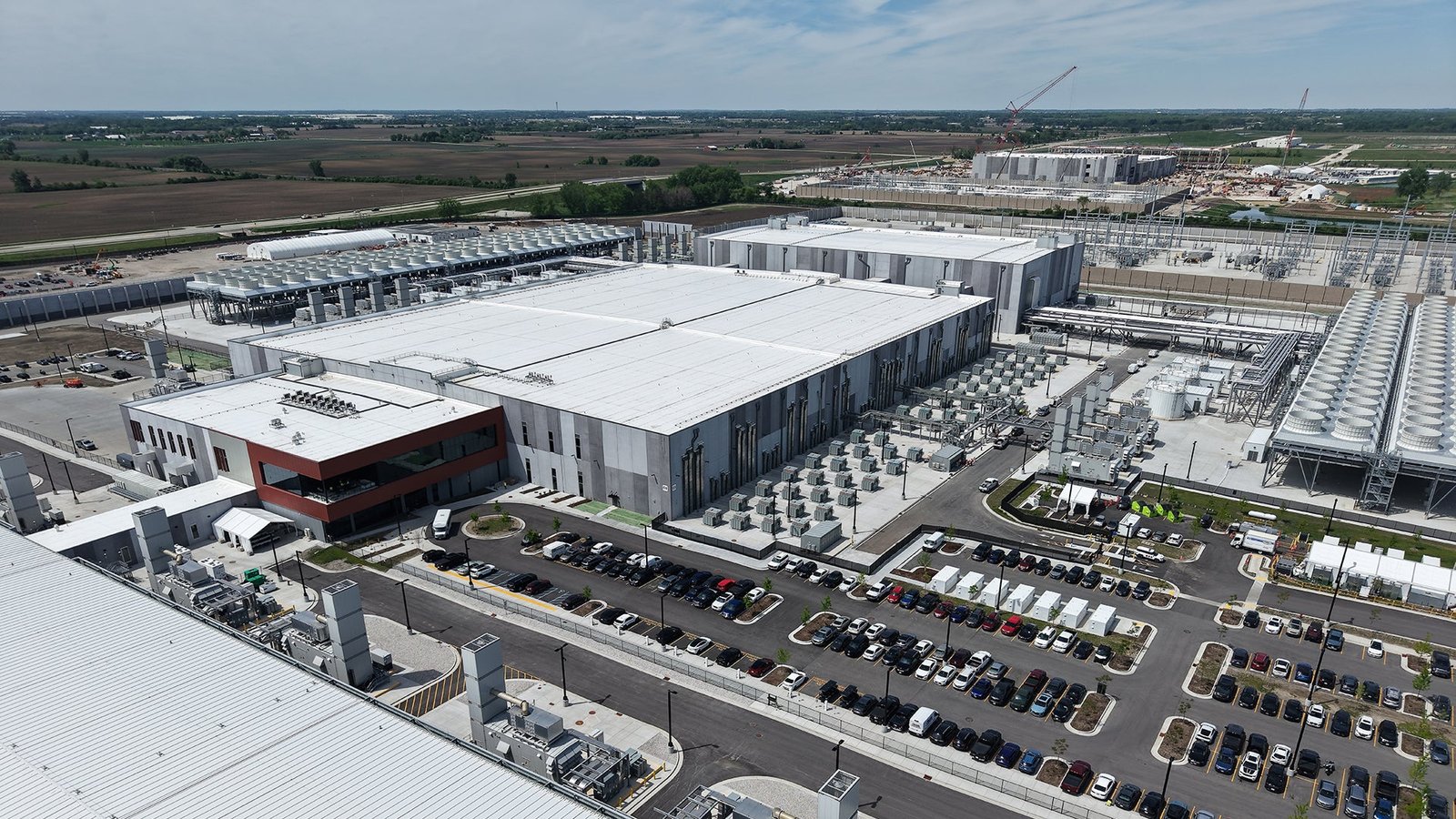
Two million square feet of data center, more than a thousand construction workers at peak and an operational date measured in a few years: that is how one announced east Tulsa project was described in April 2026, and it sets the scale that Oklahoma owners and developers now plan around. Data center construction is a race between utility power, equipment delivery, permits and weather, and the contractor's job is to keep the race from being lost in the field.
We build data center sites and shells in Oklahoma, from the first clearing and grading through utilities, foundations, structure, enclosure and the support infrastructure around the halls. Our scope can include the mass grading and stormwater that precede the buildings, the concrete foundations and slabs, structural steel or tilt-wall, the building envelope, site utilities, fire water and heavy-haul roads. Fit-out of the white space and the mechanical and electrical systems is often split among specialty contractors, and we coordinate with them closely.
What makes this work different from a warehouse of the same size is tolerance and schedule. Slabs must be flat, shells must be tight, equipment pads must be dead level, and everything must be ready on a date set by a power company and a customer. We plan for that from the first meeting.
Large campuses, large claims on the state
Oklahoma is seeing campus-scale proposals. Beyond the east Tulsa project, a developer announced a data center campus north of Tulsa that regional business leaders said would reach $3 billion across multiple phases, with up to four facilities totaling close to 1.2 million square feet. In Pryor, the owner of an existing data center site has expanded investment so that the site total was reported at $4.4 billion. See Tulsa and Pryor and the MidAmerica Industrial Park for the surrounding market.
Some announcements are not yet approvals. News coverage in Enid described a proposal for four data center campuses with developers estimating up to $35 billion in investment, with rezoning filed for two sites and no city approval at that time. That is a reminder to owners that land, zoning, power and water must all line up before construction starts, and that a contractor should be involved before a site is final. Our data center industry page describes the owner-side questions.
Zoning, water, and the code in force
On a campus that crosses city and county boundaries, the first question is who permits what. City sites follow the city building department; sites in unincorporated areas may rely on the county for grading and on the state for some life-safety review. The Oklahoma Uniform Building Code Commission sets minimum codes, with the state having adopted the International Codes, but cities adopt their own editions, so we confirm the edition at each jurisdiction.
Seismic design is also part of the owner's engineering conversation. The two largest instrumental earthquakes in the state's record are listed at magnitude 5.8 for the Pawnee event in 2016 and 5.7 for the Prague event in 2011, which is why structural engineers treat seismic criteria as real in Oklahoma. Water and wastewater approvals come from local authorities, and the state water board publishes permit applications and a pending-permit dashboard. Our permitting and entitlements coordination team follows each one.
Site first, shell second, owner dates always
We organize a data center job as a series of packages. The first package is early site work: clearing, mass grading, detention, haul roads and the temporary power and water that construction needs. The second is the underground: storm, sanitary, domestic and fire water, and the duct banks that carry power and fiber. The third is foundations and slabs, and the fourth is the shell, followed by the interior and the equipment pads.
Each package ends with a clear turnover. The mechanical and electrical contractors receive pads and conduits that match their drawings, and the slab flatness and elevation reports come with the handoff. We use survey control throughout, because a pad that is off by a small amount can mean a rejected chiller. For site grading and stormwater, see our site clearing and mass grading work.
Power dates, equipment dates and the rest
Everything on a data center job is scheduled backward from the power date. The utility's interconnection, the substation work and the delivery of transformers and switchgear usually take longer than the building, and the construction schedule is built to be ready just before they arrive. If the building is early, the owner pays to keep it conditioned and secure, and if it is late, the delay costs the customer's launch.
We recommend early procurement of steel, precast or tilt-wall panels, roofing, doors and the large mechanical items. A tilt-wall data center shell can go up quickly once panels are poured, as described in tilt-wall industrial buildings, while steel shells move on the erection schedule. In both cases, weather windows for concrete and roofing have to be protected, and we keep a float for them.
Cost levers inside the shell
The building is a small share of the total investment in a campus, but it is not a small number, and it carries risk. The main levers are building size, structural system, slab flatness and thickness, roof system, the amount of site work, the length of utility runs and the duration of the project. Longer schedules cost more in general conditions and in interest on the owner's side.
Owners should plan for the soft costs of site conditions: rock, fill or soft soil can change the foundation plan, and a wet season can change the grading plan. We give owners a range of outcomes and a plan for each, and we tell them which decisions must be made before the grading contract is signed and which can wait until the shell is under way. Early borings across the full campus are cheap insurance against a surprise in the last building. For the support side of the campus, our data center support buildings page describes the electrical and mechanical structures.
Bring us the site and the power date
Tell us the parcel, the building program and the energization target. We will review the site conditions, outline the work packages and give you a schedule and budget range that reflect the real long-lead items.
Common Questions
How early should a contractor join a data center project?
Before the site is final, if possible. Contractors can test land for grading, rock, floodplain, utilities and haul routes, and can propose a phasing plan that fits the power date. Early involvement usually saves more than it costs.
What matters most for slab flatness?
The owner and equipment vendor set the specification, and we pour to it with the right mix, finishing method and cure. Flatness is measured after the pour, so we plan pour sizes, joints and finishing crews around it.
Do you build the data hall interiors?
We build the shell, site and many support structures and coordinate with the specialty contractors who fit out the hall. The scope split is defined in the contract, and we draw the boundary carefully so nothing is missed.
Can a campus be built in phases?
Yes, and most are. Utilities, detention and roads are sized for the full campus, and halls are added as customers sign. That keeps early cost down but requires careful planning of future connections.
How does weather affect schedule in Oklahoma?
Spring storms bring heavy rain and tornado risk, and summer heat limits concrete and roofing. We schedule the most weather-sensitive work for stable windows and protect the site with drainage and erosion control.