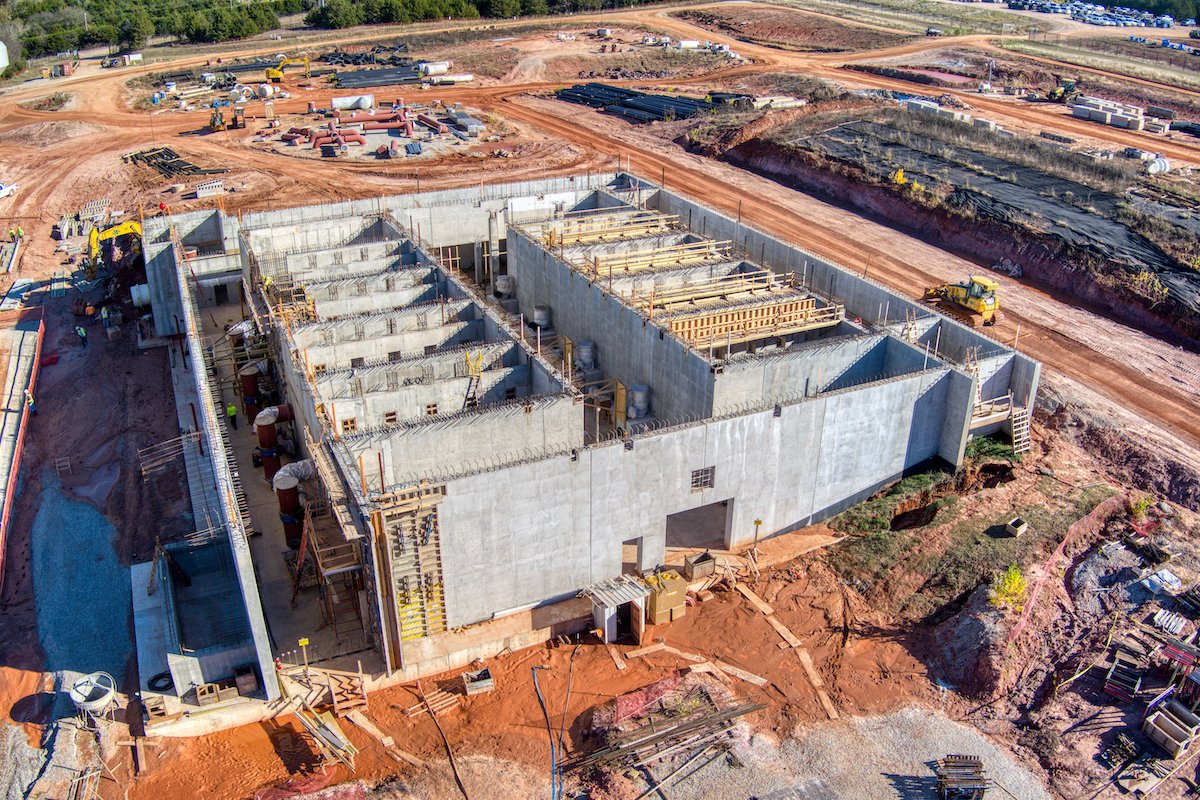
Aerospace Hangars and Shops at Tulsa International Airport
Hangar floors, maintenance shops and composite-manufacturing buildings near Tulsa International Airport, planned around airfield rules and long-lead steel.
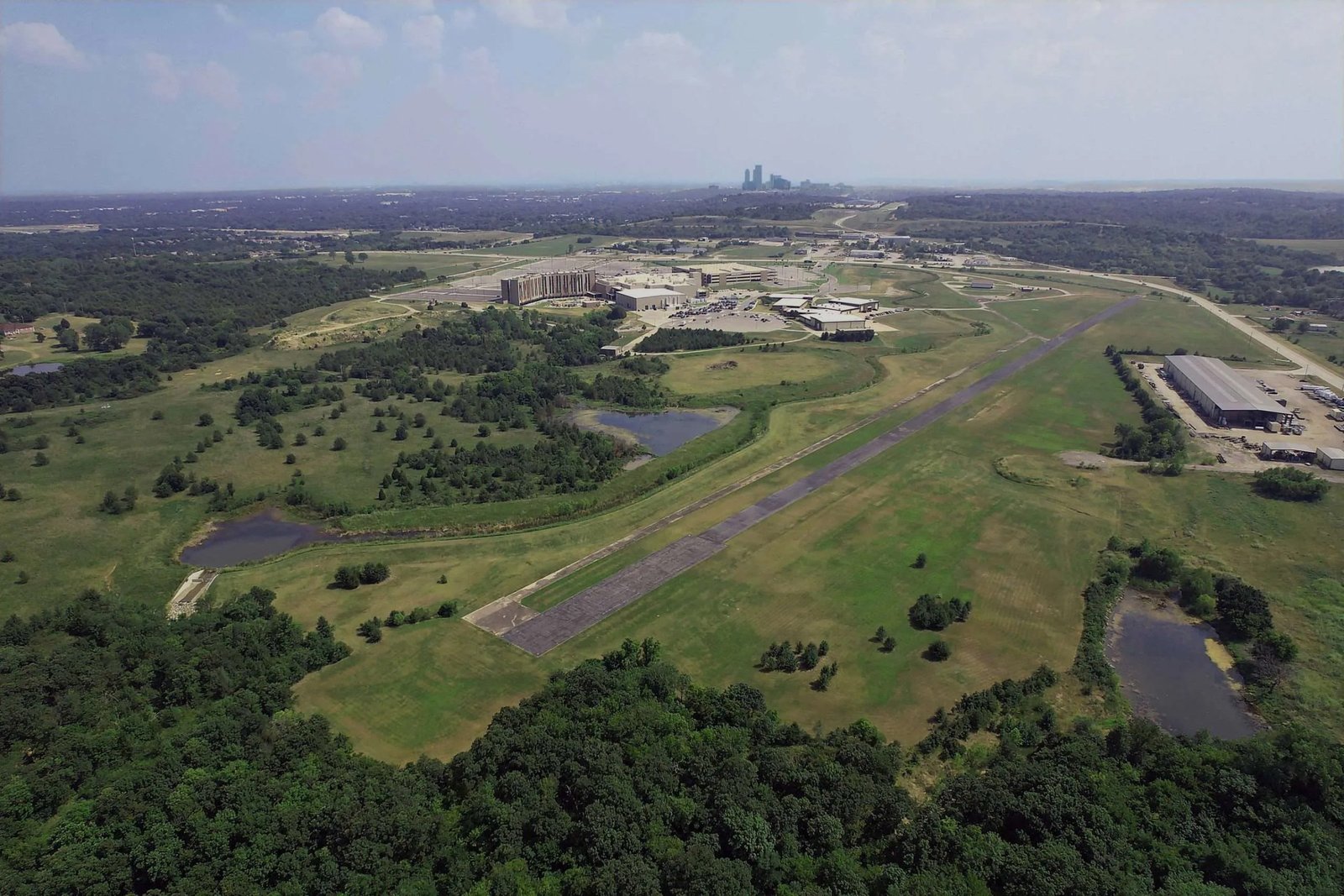
Slab flatness, door tracks and clear-span roofs are the parts of an aerospace building that cost the most to get wrong, and they are what we focus on at and around Tulsa International Airport. Tulsa Airports lists more than 700 acres of development real estate on 4,000 total airport acres, with 14,000 on-airport employees. That is a large footprint of working airfield, and any contractor who builds there has to be as comfortable with airport rules as with concrete.
Aerospace work divides into three kinds of buildings. Maintenance hangars need column-free floor area, tall doors, slab edges that stay flat under aircraft tugs and drainage that handles fuel and wash water. Support shops need compressed air, power and floor drains. Manufacturing buildings for composites and engine components need clean, well-controlled environments with process utilities. We estimate and build all three, and we are candid about which parts we supervise directly and which we coordinate with specialty trades.
This page describes building in and around the district, not work for any named operator. Employers and projects mentioned come from public reports and are context for demand, not a claim about our portfolio.
A concentrated aerospace market
News On 6 reported on August 12, 2026 that the Tulsa Regional Chamber counts 250 aerospace companies and more than 43,000 aerospace workers in the Tulsa area. A news report published August 13, 2024 says one airline's Tulsa maintenance base covers 246 acres at the airport with 3.3 million square feet of hangar and shop space and nearly 5,000 workers. For an owner, those numbers describe a labor pool and a supply chain that already exist, and a landlord and permitting staff accustomed to aerospace tenants.
The same reports describe continuing investment. The Tulsa Regional Chamber said on October 22, 2026 that an engine services company is expanding its Tulsa facility from 28 to 46 work bays, and Construction Equipment Guide reported on August 4, 2026 that a $65 million advanced composite materials facility is planned on 18 acres in the airport's North Development Area. We treat these as signs of demand, and we suggest an owner confirm availability and lease terms with Tulsa Airports.
Airfield rules and the permit path
Construction near runways carries height, lighting, security and access rules that do not appear on a city lot. Cranes can need airspace review, fencing and badging control who can enter, and haul routes may be restricted to certain gates. We plan these in permitting and entitlements coordination, and we add days to the schedule for badging and escorts so the first week is not lost.
On the building side, the state adopted newer International Codes, and the authority with jurisdiction on airport property confirms which edition and amendments apply. Fire protection for hangars is a specialized subject, with foam or water systems, large water demands and local approval. We bring in the fire protection designer early because the system affects slab drainage and the roof.
Floors, foundations and steel
A hangar slab is a long, wide floor that has to be flat, sloped to drains and strong enough for jacks and tugs. We place and finish large slabs with the joint layout and curing plan set in advance, as described in our industrial concrete floors work. For clear-span roofs and crane-ready shops, the structural steel erection and high-bay crane-ready building teams we coordinate handle the frame, the runway beams and the bracing.
Doors are the other critical item. A hangar door is a large moving structure with its own foundation, track and header. We coordinate the door supplier's loads and tolerances with the slab and wall design long before concrete, since a track that is off by an inch is hard to fix.
Long-lead items and phased handovers
Large hangar doors, fire suppression equipment, electrical gear and steel can each carry long delivery times. We build the schedule backward from the owner's move-in or the first aircraft date, and we put order dates for those items on the calendar during long-lead procurement planning. A late door package can hold up an otherwise complete building.
Many aerospace owners expand next to live operations. We keep construction traffic away from the apron and the shop entries, define a clean area in the existing shop for any tie-in and agree on shutdown windows before we start. Our phased construction process is built.
Hangars, shops and manufacturing
We build aircraft hangars and the shops attached to them, and the nearby manufacturing plants that make parts. Composite and engine component buildings often need clean rooms, controlled temperature and humidity and heavy electrical service, which we coordinate with the owner's process designer and equipment vendor.
Neighboring users
Aerospace buyers share the airport with logistics, defense and advanced manufacturing users. Our advanced manufacturing page covers the process-driven buildings. Companies that also ship by water should compare the Port of Catoosa, which lies northeast of the airport.
Working beside aircraft and shift workers
An airport construction site has two kinds of hazards at once: the ordinary ones, such as falls, trenches, cranes and hot work, and the airfield ones, such as jet blast, foreign object debris and vehicles crossing taxi routes. Debris is a particular concern, since a loose bolt, a scrap of plastic or a pebble of aggregate can damage an engine. We keep the site swept, cover loads, wash tires at the exit and inspect haul routes at the start and end of each shift.
Inside an operating shop, the issues are lockout, fire watch, fumes and the movement of people. We agree on a hot work permit with the owner's safety lead, isolate the area with solid barriers and keep the crews we coordinate out of aircraft paths. When a pour or a steel pick has to happen near a live hangar, we schedule it for a quiet period and give the operator a plain written plan the day before.
Reaching the district from across the metro
The airport sits in the northeast part of Tulsa, close to the interstate and to the freight corridors. Owners who want to compare airport land with suburban parcels should look at our pages for Tulsa and Owasso, both within a short drive. The airport trades off higher land and compliance costs against the pull of the supply chain, and we help an owner work through that decision with a site-by-site budget.
Start with the door, the floor and the airfield rules
Share the aircraft or part sizes, the bay count and your target date. We will return a scope that covers the floor, frame, doors, fire protection and airfield approvals.
Common Questions
Can you build on airport property?
Yes, with the airport's approval. The airport sets design standards, access and security requirements, and we work through them with the design team. We also plan for badging, escorts and restricted haul routes.
How large is the development land at the airport?
Tulsa Airports lists more than 700 acres of development real estate on 4,000 total airport acres. Availability, lease terms and parcel details come from the airport, so check with them directly.
What goes into a hangar floor?
The slab must be flat, strong enough for aircraft and equipment, and sloped to drains. We plan the base, reinforcement, joints and curing in advance and test for flatness. Fuel and wash water drainage affects the design.
How long does a hangar take?
Large projects commonly run well over a year from design to turnover, and door packages and steel can drive the timeline. We give a schedule once the design and long-lead orders are defined.
Do you coordinate fire suppression?
We coordinate it with the fire protection designer and the authority. Hangar systems affect drainage, roof loads and utility size, so we involve them early.