Pharmaceutical Manufacturing Facilities in Oklahoma
Shells, utilities and process support for Oklahoma pharmaceutical and life sciences plants, with documented, clean construction and long-lead planning.
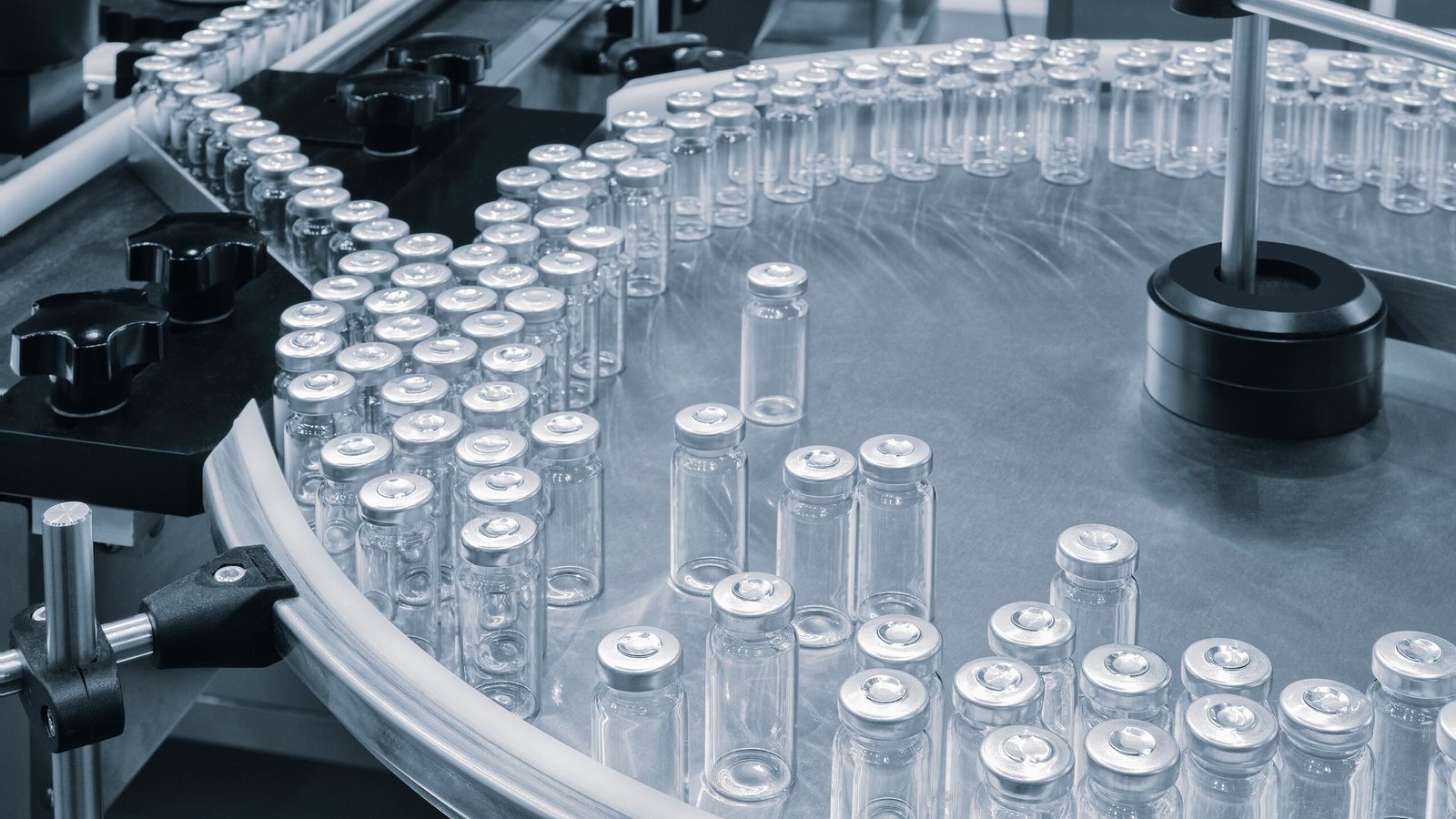
Nothing in a drug plant is allowed to be accidental. Air pressure between rooms, the finish on a wall, the slope of a floor drain, the route a pallet takes from dock to filling line: each is written down, qualified and defended to a regulator. A pharmaceutical manufacturing building is therefore built to a program that comes from the process and the quality group, not from the contractor's habits.
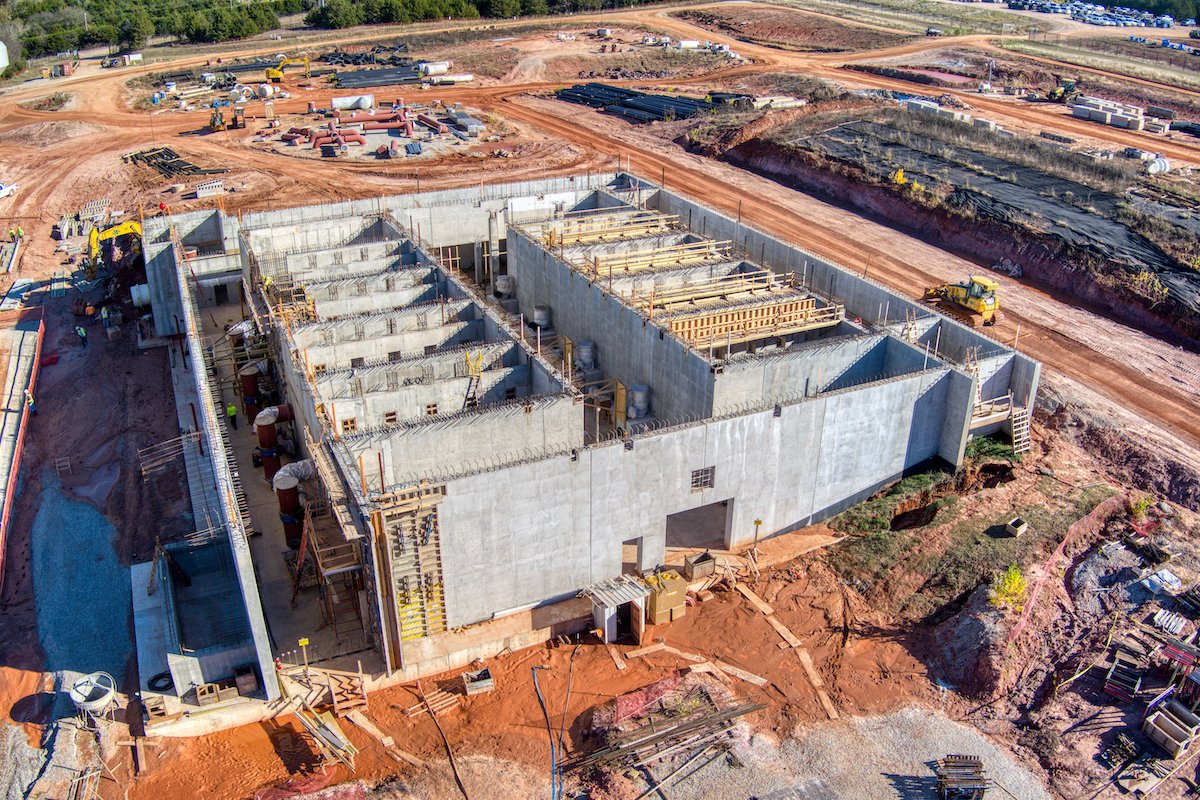
We build industrial shells and process support for pharmaceutical, nutraceutical and life sciences manufacturers in Oklahoma. The work includes ground-up plants, expansions of existing buildings, warehouse and distribution areas with controlled temperature, utility buildings, laboratories and quality control rooms, and the site infrastructure that serves them. Cleanroom fit-out and process equipment are usually installed by specialty firms working to the owner's validation plan, and our role is to deliver a building, utilities and interfaces that let them do it without rework.
Owners who are planning a first facility in the state, or expanding an existing one, tend to ask three things: where the work fits among all the regulators, how long it takes, and what has to be decided before drawings are done. We take them in that order.
Programs that decide the building
Before the building is designed, the owner needs a program that says what is made, in what quantities, with which materials, and under which regulatory pathway. That determines room classifications, personnel and material flows, pressure cascades, temperature and humidity ranges, drain and waste handling and the size of the utility plant.
The construction team helps by pricing alternatives early. A single large cleanroom suite may look simple, but modular rooms, a shell with future fit-out space or a phased build can allow production to start sooner. We review these options with the owner, and we bring the schedule effects of each: air handling equipment lead times, cleanroom panel delivery and the time needed to commission and qualify utilities.
Shell quality as a quality system
A good pharmaceutical shell starts with details that are cheap early and expensive later: tight slab tolerances, sealed or epoxy floors with coved bases, drains where the process needs them, wall assemblies that can take smooth cleanable finishes, and a roof that does not leak above a clean zone. We build with documentation, because the owner's quality group will ask for it. Submittals, inspection records, concrete test reports, weld logs and as-built drawings are collected during construction rather than rebuilt at the end.
We also protect the building during construction. Clean construction practices are used in finishing areas, doors are closed and sealed, ductwork is capped until installation, and workers follow gowning or cleaning rules as agreed with the owner. Dust and moisture that enter during construction can cause real problems later, including mold and contamination found during validation.
Life sciences already growing in the state
In Norman, the University of Oklahoma broke ground on October 3, 2025 on a 105,000-square-foot life sciences laboratories building on its campus, funded with $80 million from the state legislature plus private giving and targeted for fall 2027. Laboratory buildings of that type feed research, startup companies and workforce, which is the base on which pharmaceutical manufacturers build. Our Norman page describes that market.
On the distribution side, the state announced in June 2026 that a pharmaceutical wholesaler selected the North Moore Industrial Park for a 330,000-square-foot regional distribution facility with $179 million in total capital investment and more than 200 direct jobs. A distribution facility of that kind sits at the end of a manufacturing chain, and its presence in the Oklahoma City area makes the region more attractive to manufacturers who need nearby fulfillment. See Moore and the broader pharmaceutical and life sciences sector page.
What we build and what others install
Our scope typically includes site work, utilities, building foundations, structure, envelope, interior walls, flooring, ceilings, doors, dock equipment, and the shells of utility buildings. Mechanical, electrical and process piping are done by licensed trades, and in Oklahoma the Construction Industries Board licenses electrical, mechanical and plumbing work, while general contracting itself has no state license. We manage those trades and the specialty cleanroom contractor as one coordinated team.
Utilities for a pharmaceutical plant deserve their own planning. Purified water, clean steam, compressed air, process vacuum, chilled water, standby power and wastewater treatment can each have a dedicated room or yard. We build the pads, ductbanks, pipe racks and structures for them, and plan for expansion. Cold rooms and refrigerated dock work are covered in our cold storage construction service.
Codes in front of the quality rules
The building code is the first set of rules every plant meets. The City of Norman adopted the I-Codes with state and local amendments under an ordinance, and the state-adopted National Electrical Code applies, with the state having adopted the International Codes. Owners should confirm the edition and the local amendments with the city for their address, because they decide fire separation, egress and electrical details that influence the layout.
Above the building code sit the owner's regulatory obligations, which flow from the product and are managed by the owner's quality group and consultants. We work to their drawings and specifications, and we flag any construction condition that could affect qualification. Our permitting coordination service helps with city reviews so that the owner's team can concentrate on the quality side.
Long lead and long qualification
The schedule of a pharmaceutical plant has two long tails. The first is procurement: air handlers, chillers, boilers, switchgear, cleanroom panels and process equipment can take many months to arrive. The second is commissioning and qualification, which cannot begin until the building and utilities are complete and clean. Construction needs to give the commissioning team as much early access to completed areas as safely possible.
We therefore build in zones, finishing and handing over utilities and clean areas in order, and keep a punch list process that closes items quickly. Where equipment arrives before the building is ready, we provide temporary protection and a safe path for installation. For turnover practice, see our commissioning and turnover page.
Start with the process program
Send the process description, the target space and the opening date. We will outline the building, utility and procurement packages and return a schedule and budget range for review with your quality team.
Common Questions
Do you build cleanrooms?
We build the shell, utilities and interfaces, and we coordinate with the specialty cleanroom contractor who supplies the classified rooms. The boundary between scopes is set in the contract, and we draw it carefully so floors, drains, penetrations and finishes line up.
How much does a pharmaceutical facility cost per square foot?
It varies widely with the process and the classification. A warehouse with controlled temperature costs much less than a sterile filling suite. We prefer to price from a program and to show owners where the money goes by system.
Can an existing building be converted?
Sometimes. We check floor flatness and load, ceiling height, utilities, drainage and roof condition, and we compare the conversion cost against a new building. Older buildings often need more envelope and utility work than owners expect.
What delays pharmaceutical projects most?
Equipment lead times and design changes late in the process. Owners reduce risk by freezing the process flow early and releasing long-lead items before the building drawings are complete.