Hot Work, Permits and Safety Coordination in Collinsville
Permit-driven industrial construction in Collinsville, with hot work, lockout and utility tie-in coordination for owners building beside live operations.
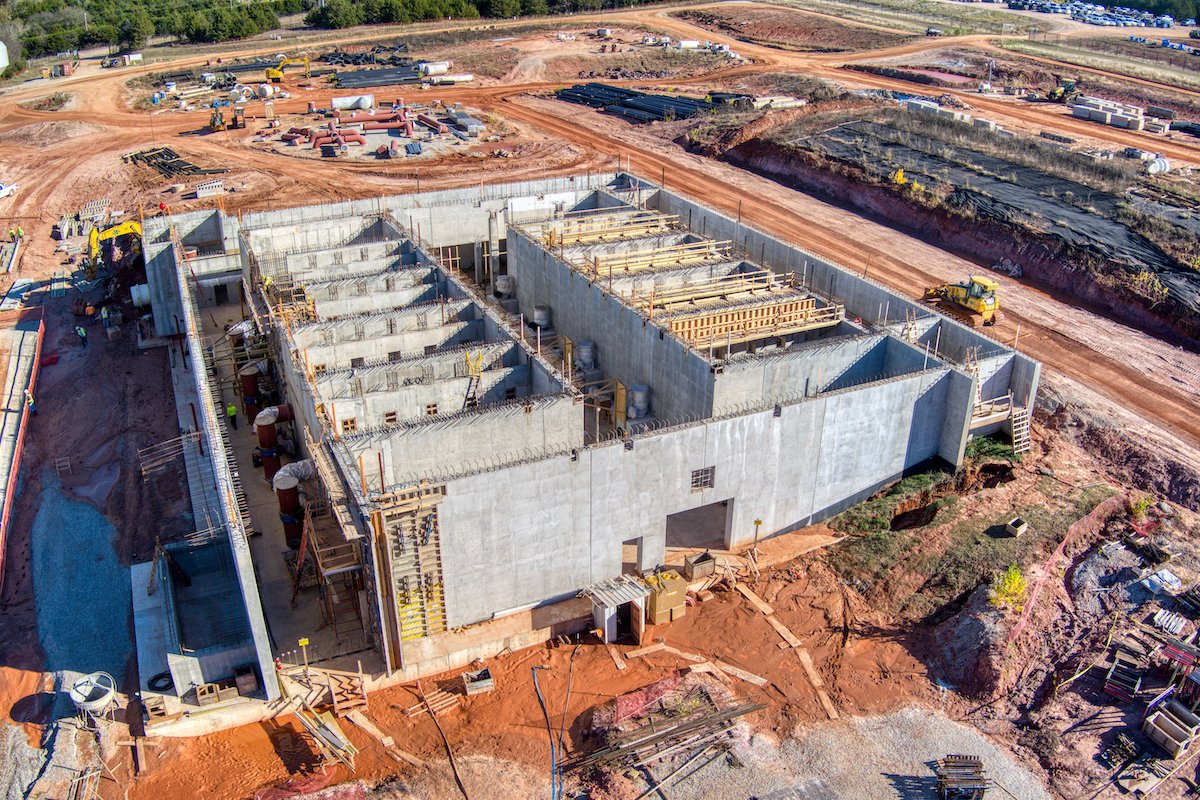
Before a warehouse slab is poured or a process line is extended, someone has to answer who holds the hot work permit, which utilities are live and who can stop the job. We plan that answer into industrial construction in Collinsville, so an owner building a distribution facility, a shop or a plant expansion north of Tulsa starts with permits and safety rules settled instead of waiting on them. Licensed trade partners do the field work, and we schedule, coordinate, supervise and inspect it.
Collinsville is a busy place to build. A project record updated in October 2025 lists a privately funded distribution warehouse under construction here, about 68,775 square feet with a 2,320 square foot office, valued at $7,000,000. The city also took bids in April 2024 on an industrial park sewer extension, a gravity main with a lift station and force main, worth about $1.65 million. Both items show that owners and the city are adding capacity at the same time.
That overlap affects every new project. Concrete suppliers, electricians and inspectors have more than one job in the area, and utility work in an industrial park can change the date a lot becomes serviceable. We account for that in the permit plan and the sequence, and we describe the results to the owner in plain terms.
Schools, warehouses and a competition for trades
The school district's proposed bond tells a related story. The school district drew up a $95 million bond package for an August 27 election. Proposed uses: a $39 million fifth-grade school, a high school addition with a STEM wing at $22 million, preschool space for the youngest students, and shelters built into every school. District planners expected enrollment to climb by 500 within five years, reaching 3,200. We do not build schools on this site, but projects like that draw on the same pool of concrete, steel and electrical labor as an industrial job.
An industrial owner who plans to build in the same window should therefore expect the trades to be busy. We recommend booking the principal trade partners early, locking in material prices where possible and keeping the design set stable once permits are filed. Our logistics and distribution clients tend to feel the schedule pressure first, because a lease start date is rarely negotiable.
What we coordinate besides the building
Most industrial builds in Collinsville need more than a shell. They need utilities, detention, paving and fire protection, and each has its own permit and its own review. We coordinate the site utilities package along with grading and stormwater detention and drainage so the civil and building permits are filed in an order that avoids rework.
If the site touches an existing operation, we add phased work, tie-in planning and commissioning. The tie-in is where hot work and lockout meet the schedule: a connection to a live water line or electrical feeder needs a defined outage, a written procedure and a rehearsal. We prepare those documents with the owner's operations group and include them in the permit set.
Rivers, creeks and what they mean for a lot
Twenty miles north of Tulsa, the town occupies a wedge of land bounded by Bird Creek and by two rivers, the Caney and the Verdigris. For a builder, that geography means floodplain mapping, drainage easements and soils that vary from one lot to the next. We ask for the flood determination and the geotechnical report before designing the pad, because the finished floor elevation and the stormwater approach follow from them.
Wet ground also affects the schedule. A site that holds water in spring may need stabilized haul roads, temporary dewatering and a plan to keep sediment from leaving the lot. We lay out those controls before earthwork and inspect them after significant rain, which protects both the neighbors and the owner's permit standing.
How the Collinsville work fits the wider area
Collinsville owners often compare it with nearby locations. Our pages for Owasso and Claremore describe how permitting and inspections work in those areas, and our page on Tulsa covers the larger market the region feeds. Many of the suppliers and trade partners we schedule travel among these places, which helps when a pour needs a backup plant or a tie-in needs a specialty crew.
Distances are short, but trucks and inspectors still need time. We schedule deliveries, site visits and pre-pour meetings with that travel in mind, and we avoid stacking inspections on one day when a failure could cost a week.
Hot work, lockout and the permit board
A safety plan for industrial construction is a set of procedures, not a binder. Before mobilization we agree on the hot work permit process, the fire watch duration, lockout and tagout points, confined space rules and the signs and barricades that mark live zones. The trade partners attend a kickoff meeting, and each one signs the plan before bringing equipment to the lot.
During construction we keep a permit board current, review the day's tasks with each superintendent and inspect the work against the plan. If a task changes, for example a new weld location or an unplanned excavation, the permit is revised before the work resumes. Owners with their own safety departments can audit the board at any time, and we keep records ready for a handover.
Where the budget moves on a permit-heavy job
Cost on these projects tends to follow three items: how much utility work the lot needs, how much of the work happens near live systems and how long the plan assumes the permits will take. Utility extensions, detention and paving can approach the cost of the building on some sites, and any outage that requires overtime or a specialty crew adds to the line. We price those items separately so the owner sees them.
We also recommend carrying an allowance for permit comments and for design changes made after review. A small revision to a fire lane or a drainage pipe can cost little on its own but push an inspection by several days. Early reviews with the building department reduce that risk, and we share the written comments with the owner as they arrive.
Put the permits and the safety plan on the same page
Tell us the site, the building and the utilities you expect to touch. We will return a permit list, a safety plan outline and a schedule you can share with your lender or your operations staff.
Common Questions
Who is responsible for the hot work permit on a job near a live plant?
The permit is normally issued by the facility owner and signed by the contractor performing the work. We coordinate the paperwork between the owner, the trade partner and the fire watch, so the permit is current at the start of each shift. The details depend on the owner's own safety program.
How long does a typical industrial permit take?
It depends on the type of project and the review queue. We file early, answer comments quickly and track the status on a weekly look-ahead. The local building department reviews the application, and the schedule should show the review as a real activity, not an afterthought.
Can a sewer or water tie-in be done without a long outage?
Sometimes. Methods include temporary bypasses, tapping a live line and scheduling the cutover for a quiet shift. The right choice depends on the line, the owner and the regulator, and we plan it with all three before the date is set.
What should we ask a contractor about safety before signing?
Ask who holds each permit, how lockout is documented, how incidents are reported and who stops the work if conditions change. Ask to see a sample permit board and a past pre-task plan. Clear answers on those points usually predict a safer job.
How early should a warehouse owner book trades in this area?
As soon as the design is firm. Several public and private projects are competing for concrete, steel and electrical labor, and the best commitments go to owners who confirm them first. We can place the trade partners during preconstruction, before the pricing is final.